Get Full Government Meeting Transcripts, Videos, & Alerts Forever!
Get email alerts on the Prosecutorial Misconduct topic
No spam. Unsubscribe anytime.
Defense says prosecutor’s opening and closing were inflammatory in Bolter sexual-assault trial
Summary
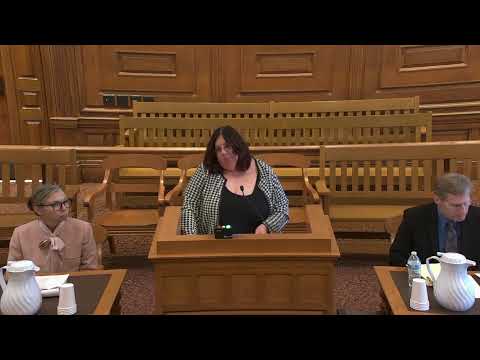
In Commonwealth v. Bolter, defense counsel told the Appeals Court that a prosecutor’s opening statement and closing argument used inflammatory language and impermissible vouching that prejudiced the defendant’s trial, while the Commonwealth said its argument was grounded in video and recorded evidence.
Commonwealth v. Bolter: Counsel for the defendant asked the Massachusetts Appeals Court to reverse convictions on the ground that the prosecutor’s opening statement and closing argument were unduly inflammatory and included improper vouching for the victim’s credibility.
Why it matters: Prosecutorial remarks in opening statements and closings are routine, but courts draw a line where argument moves from permissible inference to expression of prosecutor opinion or impermissible appeals to emotion or sympathy. Attorneys and the panel debated whether the phraseology here exceeded acceptable bounds and whether any error was harmless given the recorded evidence.
What the defense told the court: Attorney Carl Suchciki argued the Commonwealth’s opening “read like a closing,” using vivid descriptions — for example that the victim was treated “like a rag doll” and a “plaything” — to inflame the jury. He said the opening went beyond permissible suggestions about what the evidence would show and amounted to prejudicial storytelling that compounded at closing where the prosecutor, the defense argued, answered rhetorical questions for jurors and vouched for the victim’s testimony.
What the Commonwealth told the court: Arne Hanson, arguing for the Commonwealth, said the prosecutor’s comments were grounded in the evidence (video exhibits and recorded calls) and that reasonable inferences about motive and the defendant’s conduct are proper in openings and closings. Hanson pointed to precedent permitting forceful descriptive argument where it reasonably follows from the evidence and argued any imprecise phrasing was harmless because the record contained video, texts, and other corroborating material.
Court questioning and context: The panel pressed both sides on line-drawing. One justice observed that human jurors will likely react emotionally to the underlying facts of the alleged sexual assaults and asked whether the prosecutor’s language really could have shifted the outcome given the strength of the recorded evidence. The defense acknowledged lack of a contemporaneous objection in opening but urged the court to apply the substantial-miscarriage standard because the prosecutor’s wording infected both opening and closing.
Procedure & posture: The argument presented to the appeals panel reviewed the trial record (video exhibits, recorded jail calls, and transcripts) as well as trial counsel’s objections in closing. No appellate decision was announced at argument.
What to watch next: The court will consider whether the prosecutor’s language in opening and closing reached the level of reversible misconduct and, if so, whether the trial record renders the error harmless.