Get Full Government Meeting Transcripts, Videos, & Alerts Forever!
Get email alerts on the Attendance Policy topic
No spam. Unsubscribe anytime.
Teachers propose ‘Bronco Best Days’ quarterly exemptions to address chronic absenteeism; board offers feedback
Summary
Elementary staff outlined a quarterly attendance incentive, "Bronco Best Days," designed to reduce chronic absenteeism by allowing students who meet attendance, tardy and academic standards to be excused from the last day of each quarter. Staff sought feedback; board did not vote.
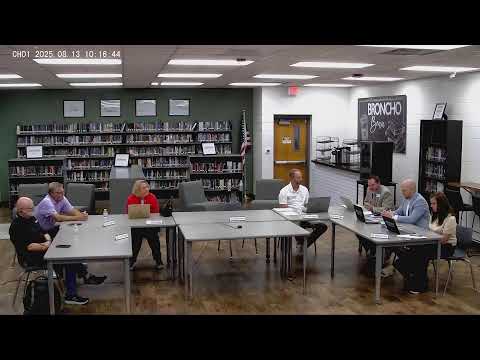
Teachers and school staff presented the "Bronco Best Days" proposal to the Bethany Board of Education on Aug. 11, a quarterly incentive aimed at reducing chronic absenteeism by giving students who meet attendance, tardy and behavioral standards the option to be excused from the last day of each quarter. The proposal matters because the district has identified chronic absenteeism as a priority and wanted a student-facing incentive to complement parent-focused interventions. Ashley Donovan, identified in the meeting as the middle- and elementary-school librarian, described the plan: instead of a single end-of-year reward, students could earn an exemption from the last day of each quarter if they met quarter-specific criteria. "Students would have the opportunity to earn this 4 times a year," Donovan said. For pre-K through second grade, the proposed requirements were a maximum of three absences and five tardies per quarter; third through fifth grade would have the same absence/tardy limits plus an academic requirement of no missing assignments in Infinite Campus and meeting behavioral expectations. The proposal also notes case-by-case exceptions for chronic illness. Presenters said the district sent a brief survey to families of last year’s pre-K through fourth-grade students and received 163 responses; staff described the responses as “overwhelmingly” favorable. Presenters emphasized that the exemption would be voluntary: students who earned the exemption but whose families preferred supervised instruction could still attend school on the exemption day and participate in targeted interventions. Board members and a district speaker advised caution about removing students from class, noting state attendance expectations and potential lost instructional time. Dr. Bellows (identified in the meeting) said chronic absenteeism historically has had a measurable effect and that the state’s approach to using absenteeism on report cards has changed: it will move from a required report-card metric to a bonus point, though attendance still matters for learning outcomes. "We have struggled since COVID to get parents to understand it is important for them to be here every day they can possibly be here," he said. One board member noted that pulling students out up to four days a year could amount to a substantial share of required instructional time and urged consideration of classroom-based alternatives or half-day activities. Presenters asked the board for feedback; they did not seek a vote at that meeting. Staff said they will continue community outreach and refine the plan based on feedback and operational constraints. No action was taken at the Aug. 11 meeting; the proposal remains under consideration.