Get Full Government Meeting Transcripts, Videos, & Alerts Forever!
Get email alerts on the Municipal Budget Millage topic
No spam. Unsubscribe anytime.
Stuart commission tentatively adopts 4.9-mill tax rate as budget debate shifts to transparency concerns
Summary
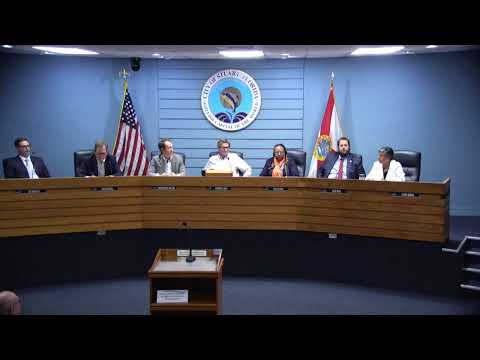
The Stuart City Commission on Sept. 8 tentatively adopted a fiscal 2026 millage rate of 4.9 mills and a tentative budget that managers said totals about $47 million. Commissioners asked staff for clearer agenda attachments after several recent documents were signed by the mayor with limited circulation to newly seated members.
The Stuart City Commission tentatively adopted a 4.9-mill property tax rate and a tentative fiscal 2026 budget on Sept. 8, advancing the next budget hearing to Sept. 22 while several commissioners pressed staff for clearer disclosure of documents signed on the mayor’s behalf.
City Manager Milton Mortel said the 4.9-mill proposal is a reduction from last year’s 5.0 mills and described the balanced tentative budget as approximately $47,000,009.34 in general-fund appropriations after adjustments to revenue estimates and the addition of four positions. “The city is proposing a millage rate of 4.9 mills, which is a reduction from last year’s millage rate of 5 mills,” Mortel said while reading the advertised rollback and proposal numbers.
The board’s vote to adopt the tentative rate and the tentative budgets occurred during a specially noticed budget hearing. Resolution 87-2025 formally set the tentative millage rate; Resolution 89-2025 adopted the tentative budget for the fiscal year beginning Oct. 1, 2025. Motions to approve passed on roll call votes after brief public-comment windows.
Why it matters: The tentative millage determines the maximum tax rate that will appear on later notices; it also frames the final budget choices the commission must make. Mortel and Finance staff said revenue projections changed during the workshops, forcing adjustments that kept the proposed rate below the previously advertised 5.0 mills.
Commissioners pressed staff for more transparency about contracts and signature pages that are executed after board votes. Commissioner Reid asked that any document the mayor will sign on the city’s behalf be included with the agenda packet when feasible, citing recent examples in which signature pages or final contracts were not circulated to all commissioners before signature. Mortel and City Attorney representatives said their long-standing practice is to include final signed documents in the city’s official records and that some items (for example, lien releases when a property owner pays off a recorded lien) require mayoral signature by state law once conditions are met.
Mortel also detailed revenue changes that influenced the tentative rate: he said a state revenue line (communication service tax) came in lower than previously projected, requiring rebudgeting and small adjustments across departmental allocations. He emphasized that line-item appropriations do not guarantee spending; the commission must still authorize expenditures or the manager must follow existing purchasing and appropriation controls.
What happened next: The commission approved the tentative rate and tentative budget and scheduled the required final public hearing for 5:15 p.m. on Sept. 22 at City Hall. Commissioners asked staff to add greater clarity to agenda attachments and to provide, where practicable, the final contract or signature pages tied to earlier board authorizations.
Discussion vs. formal action: The votes taken on Sept. 8 were tentative approvals (formal final adoption is scheduled for Sept. 22). Commissioners’ requests about agenda transparency were direction to staff rather than a codified policy change.
Ending: City staff posted interactive budget materials for public review and the commission directed staff to return with any missing supporting documents before the Sept. 22 final hearing.