Get Full Government Meeting Transcripts, Videos, & Alerts Forever!
Get email alerts on the Volunteer Firefighter Pension topic
No spam. Unsubscribe anytime.
Volunteer firefighter pension fund largely healthy; board and advocates urge targeted steps to sustain and boost benefits
Summary
At the Aug. 19 Joint Appropriations Committee meeting, Wyoming retirement officials said the volunteer firefighter pension (Fire B) is in good actuarial condition but recommended modest, prioritized options — from preserving funding to structural matches — rather than near‑term large increases.
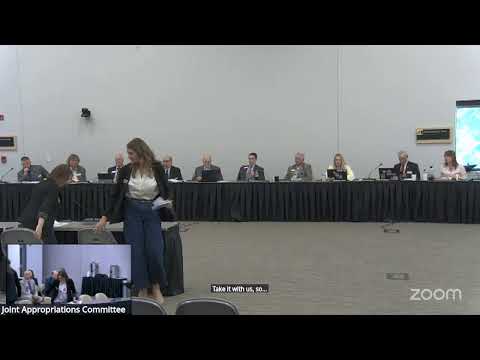
At a Joint Appropriations Committee hearing on Aug. 19 in Dubois, Wyoming Retirement System staff briefed legislators on the volunteer firefighter, EMT and search‑and‑rescue pension plan (Fire B), describing the plan as actuarially sound while outlining options and costs for benefit changes. David Swindell, director of the Wyoming Retirement System, told the committee the volunteer plan carries about $123 million in assets and is roughly 96% funded on an actuarial basis. He said the plan supports about 1,781 pensioners and that the current average monthly benefit is $364, based on an average service time of about 21.6 years. Swindell noted the fund receives two primary revenue streams: the statutory member contribution (currently $18.75 a month) and a state allocation equal to 60% of the state fire insurance premium tax, which produces roughly $4 million annually. He said survey work indicates about 85% of departments report paying the member portion on behalf of volunteers. Why it matters: Committee members expressed interest in whether increasing the pension would aid recruitment and retention. Retirement staff said the current benefit likely has greater impact on retention than recruitment and urged careful prioritization of limited state dollars. Options and costs discussed: The retirement director stated it would take roughly $5 million to bring the pension plan to full funded status today and about $18 million total to provide a 10% funding buffer (a 110% target) that would allow the board to consider benefit increases or cost‑of‑living adjustments while accounting for market volatility. Lanny Applegate, vice chair of the volunteer firefighter pension board, urged legislators to consider modest benefit increases over time rather than a large one‑time jump, noting that inflation since the program’s 1967 inception has significantly eroded purchasing power. He said a benefit increase is possible once the plan is fully funded and that the board must meet statutory funding tests before recommending changes. Policy considerations: Swindell and Applegate also discussed that if the Legislature creates new full‑time firefighting positions in state agencies (for example, in State Forestry or a new state module corps), those employees would need to be placed in the appropriate statewide retirement plan; statute currently ties full‑time municipal and district firefighters to Fire B but does not automatically include state employees without a legislative change. Decision and direction: The committee did not act on pension changes at the hearing. Members asked the Retirement System for scenario modeling on the fiscal impacts of contribution or benefit changes, and for options to restructure the state match to better incentivize participation (for example, moving from a flat $20 match to a percentage match tied to employee contributions).