
Reedsburg hears housing-market study that says city will need about 500 single‑family units by 2040
Get AI-powered insights, summaries, and transcripts
Sign Up Free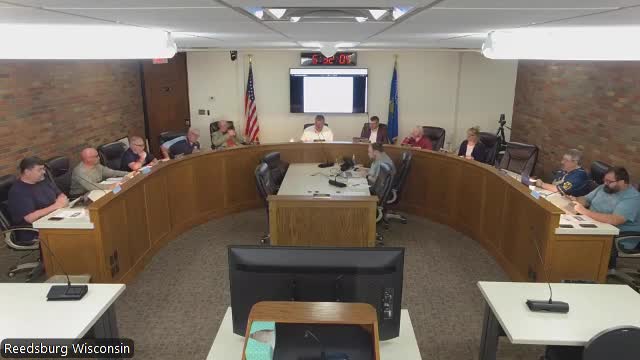
Summary
Consultants told the Reedsburg Common Council that a 2024 housing-market study projects a need for roughly 500 single‑family homes by 2040 and recommended design and zoning strategies to reduce lot and infrastructure costs.
Kurt Muko presented the City of Reedsburg2024 housing-market study to the Reedsburg Common Council on Aug. 11, 2025, outlining projected population growth and recommending zoning and design changes to increase affordable single‑family housing supply.
The study used a 20% population-increase scenario for Reedsburg through 2040, which Muko said produces an estimated 1,839 additional residents and roughly 772 new households; because vacancy rates in the city are very low, the study counts demand for more housing to restore a healthy vacancy level. "Communities can impact migration," Muko said, noting Reedsburg's community development work has made it a "migration plus" community.
The study's nut graf: under the 20% growth scenario the consultant estimated about 388 conventional single‑family units will be needed and projected that about half of senior housing demand will be single‑family, bringing the total single‑family need to slightly more than 500 units through 2040. Muko told council that existing approved and buildable lots in recent subdivisions amount to roughly 100 single‑family lots, or about one‑fifth of what the study forecasts will be needed.
Council members asked about sources of migration, lot pricing and developer appetite. Muko said the Department of Administration(DOA) 30-year population projections are a key input but that municipal projections can differ from county- and state-level projections; he recommended using the 20% growth assumption rather than the DOA midpoint for local planning. He told council that many recent buyers arrived from larger metro areas during the post‑COVID period and that broadband and jobs have supported in‑migration.
On supply-side strategies, Muko walked through multiple tools to lower per‑unit land and infrastructure costs: narrower residential streets; higher-density lots (duplexes and smaller single‑family lots); zero‑lot‑line and row‑house patterns; accessory dwelling units (ADUs) and bungalow courts; and senior-to-workforce housing transitions that encourage older homeowners to move to newly built senior units, freeing conventional homes for younger families. He used a local example showing conventional 100-foot lots with infrastructure costs north of $63,000 per unit versus a reconfigured subdivision using duplexes and tighter lot widths that reduced infrastructure cost by nearly $20,000 per unit.
Muko said developers generally accept duplexes and modest reductions in lot widths (to about 80 feet). He cautioned that pushing lot widths into the mid‑60s would require additional zoning changes and could prompt community pushback. On price points, he said his discussions with local builders suggested target lot prices around $50,000 may be more realistic than the $35,000 lots the city has seen historically; developers estimated roughly $35,000 per unit for duplexes in some configurations.
Council members and staff discussed how planned and pending projects (including the Courtyards addition and My Home Estates) will influence near‑term supply; Muko noted that more than 200 units coming online by 2025 will affect immediate demand balance.
The presentation concluded with recommended next steps for city staff and council: preserve and plan for smaller-lot options in future plats, review and update subdivision and street‑section standards to lower infrastructure cost, and continue encouraging development forms allowed under the city's planned-unit-development provisions. No council action was required at the meeting.
Why it matters: the study frames infrastructure, zoning and subsidy discussions in the coming budget and comprehensive-plan updates and gives the city a numeric target for single‑family lot production through 2040.