Get Full Government Meeting Transcripts, Videos, & Alerts Forever!
Get email alerts on the Open Records Open Meetings topic
No spam. Unsubscribe anytime.
Citizens press commissioners on missing Ag Committee minutes as board abolishes master-plan committee
Summary
Public commenters criticized the county’s response to an open records/meetings complaint over missing Agricultural Master Plan Committee minutes; the board voted to abolish the committee during the same meeting.
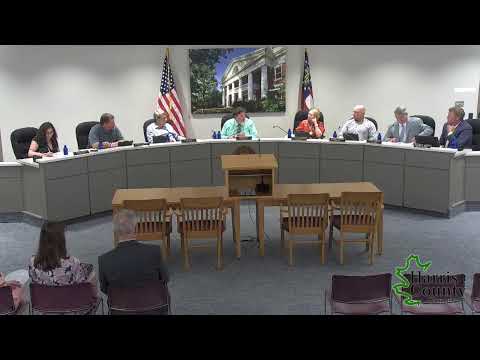
Two citizens used the Aug. 19 meeting to press Harris County commissioners over missing minutes from the Agricultural Master Plan Committee and the county’s response to an open-records/open-meetings complaint; later in the meeting the board voted to abolish the committee.
Brian McKeen, who said he filed an open-records complaint with the Georgia Attorney General’s Office, told the board the committee failed to produce minutes for four meetings between 2022 and 2024 and that the county’s response to the AG characterized unapproved, handwritten notes as meeting minutes. McKeen said the assistant attorney general called the county’s interpretation “absurd” and that the county doubled down rather than acknowledging a failure to maintain required minutes. “You’re supposed to have and demonstrate integrity and honesty. Neither of those were seen in that reply,” McKeen said.
Morgan Marlowe, another speaker, urged the county to adopt bylaws or local rules of order for subordinate committees and to provide plain-language summaries of Open Meetings and Open Records obligations for board and committee appointees. Marlowe said the Association County Commissioners of Georgia (ACCG) model bylaws had been offered previously and would help standardize agendas, motions, votes and recordkeeping.
The board subsequently moved to abolish the Agricultural Master Plan Committee, a panel formed in 2022 to update an agriculture complex master plan. The agenda item noted the committee provided the board updated plans and that the committee no longer needs to meet. The motion to abolish the committee carried by voice vote.
Why it matters: The dispute centers on statutory records and public trust. Citizens asserted the county failed to keep or produce minutes and criticized the county’s response to the AG, while asking for systemic reforms (written bylaws, plain-language guidance for appointees) to prevent recurrence.
Discussion and next steps: Commissioners approved abolishing the committee. Citizens asked whether the concept plan produced by the committee remains the county’s property and questioned how outside fundraising or feasibility work could proceed after the board voted the plan down; commissioners did not announce a formal ownership determination or further action on that question during the meeting.
Ending: The Agricultural Master Plan Committee was abolished; citizens asked the commission to adopt clearer rules, mandatory training and written procedures for subordinate committees to ensure compliance with Open Meetings and Open Records laws.