Get Full Government Meeting Transcripts, Videos, & Alerts Forever!
Get email alerts on the Audit Finance topic
No spam. Unsubscribe anytime.
Commissioners accept FY 2024 audit; auditors cite staffing and internal-control strain
Summary
The board accepted the fiscal year ended June 30, 2024 audit, which presented materially correct financial statements but noted that understaffing and turnover left the finance department months behind and exposed control risks; county finance staff described reforms underway.
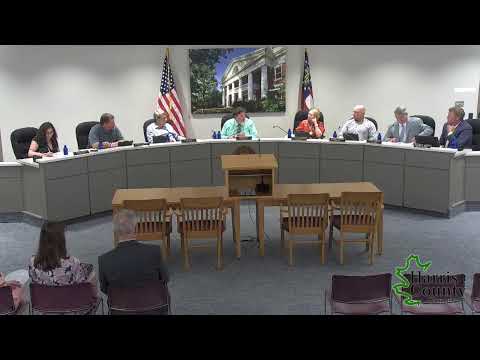
Harris County commissioners on Aug. 19 accepted the fiscal year ended June 30, 2024 annual audit after the external auditor reported that the county’s financial statements “present fairly, in all material respects” in accordance with generally accepted accounting principles, while also flagging internal-control weaknesses caused by prolonged understaffing and turnover.
Stephen Voynich, CPA and partner with Robinson Grimes and Company, told the board that the audit was late primarily because the finance department was seven to eight months behind when new staff arrived, and that “if that’s the case, then the internal controls are not being maintained.” Voynich said the audit team found some improper accounting and undetected errors that were subsequently corrected; he recommended continued staffing and system support so the county can provide timely reporting for management oversight.
Elizabeth Barfield, county chief financial officer, reviewed the general fund highlights and described steps taken since early 2024 to rebuild processes. She reported general fund revenues of $33,000,001.29 and an ending general fund balance of $22,030,001.78 and said the finance team performed an unusually high volume of bank reconciliations and reviews while catching up. Barfield described implementation of a procedures manual (60+ procedures), an interactive checklist for daily/monthly/quarterly tasks, stronger bank relationships, automated management reporting, cross-training and the planned deployment of ADP for payroll and HR.
Barfield and Voynich both commended the finance staff’s overtime and effort to complete two years of work in roughly 18 months; the team logged significant overtime (Barfield cited 547 hours of overtime) and completed more than 1,200 reconciliations during the period. Barfield warned that the department remains vulnerable to turnover and recommended continued investment in staffing and training.
Why it matters: The audit acceptance restores a publicly required accounting of county finances and identifies operational risks that could affect fiscal controls, reporting timeliness and decision-making. The board voted to accept the audit; a motion carried at the meeting.
Discussion and next steps: Commissioners asked questions about sustaining improvements and about cross-training for payroll. Barfield said the county will implement ADP for payroll/HR soon, draft formal financial policies (reserve policy, credit card policy) with the new county manager, and continue training and documentation. Voynich recommended that the board continue to support the finance department with tools and manpower to avoid a repeat of the delay.
Ending: The board accepted the FY 2024 audit. County staff will finalize follow-up actions and report back on implementation of controls and the FY 2025 audit schedule.