Get Full Government Meeting Transcripts, Videos, & Alerts Forever!
Get email alerts on the State School Funding topic
No spam. Unsubscribe anytime.
Board member says state study and proposed bills could shift funding away from public schools
Summary
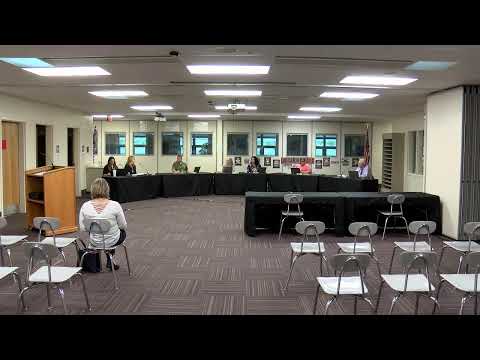
At the Fremont City Schools board meeting, a board member summarized a state study that reported underfunding of economically disadvantaged students and warned that proposed tax and levy changes plus voucher expansions could reduce local school funding.
Don, a member of the Fremont City Schools Board of Education, told the board on Sept. 8 that a recently commissioned state study showed the state is underfunding economically disadvantaged students by $3,294 per pupil annually and recommends roughly a 48% funding increase. He said the finding would, if implemented, replace the district's current disadvantaged pupil impact aid.
The board member said the governor—s Fair School Funding Work Group also discussed residential property tax issues and that three bills his state representative sponsored—which he described collectively as a "taxpayer freedom trilogy"—would affect local levies. Don summarized the three measures as: eliminating continuing levies by 2030; allowing voters to reduce unvoted property taxes by referendum; and raising the approval threshold for certain property taxes above a simple majority. He said higher thresholds, such as 55–60%, would make it harder to pass levies.
Why it matters: Board members said changes to how property taxes are approved or collected would shift funding pressure to local levies, with implications for district budgets. Don warned that voucher programs also reduce dollars available to public schools: he cited recent judicial rulings in Missouri and Ohio that have found voucher programs unconstitutional but allowed them to continue through the appeals process, and he noted the scale of state voucher spending in Ohio—750 million over the next biennium, as referenced in the meeting—compared with a $51 million annual example given for another state.
Discussion vs. decision: The board did not take any formal vote or issue a directive on the legislative items during the meeting. Board members asked questions and expressed concern. One board member said state constitutional responsibility for funding public schools means the state should retain primary funding responsibility, not local levies. No motion or advocacy resolution was introduced.
Board members asked to be kept informed. Don said he would continue to monitor the bills and the court actions related to vouchers and provide updates to the board.
Ending note: The board discussed the items as part of its legislative report; no formal board action was recorded on any of the bills or the state study at this meeting.