
Hot Springs adopts zoning changes for accessory dwelling units to comply with new Arkansas law
Get AI-powered insights, summaries, and transcripts
Sign Up Free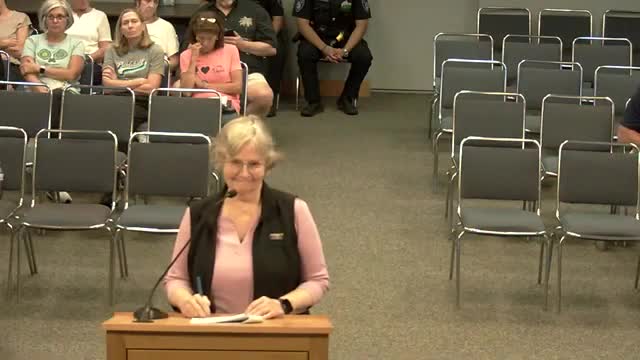
Summary
The Hot Springs Board of Directors voted unanimously to adopt ordinance O-25-32 to amend local zoning rules for accessory dwelling units, aligning the city code with recent state law changes in Act 313 (formerly House Bill 1503).
The Hot Springs Board of Directors voted unanimously to adopt ordinance O-25-32, updating the city’s zoning code for accessory dwelling units to conform with Act 313 of the Arkansas Legislature (formerly House Bill 1503), Planning and Development Director Cathy Selman said.
Why it matters: The ordinance changes how ADUs are regulated in Hot Springs—altering allowable zones, maximum size, setbacks and required facilities—affecting homeowners, developers and neighborhood planning.
Selman told the board the city adopted a new zoning code on Nov. 19, 2024, effective March 1, and ‘‘a couple of weeks later both houses of the Arkansas Legislature passed House Bill 1503 now known as Act 313 which amended the law concerning how accessory dwelling units could be regulated by local governments. So we do need to make some minor changes to the Hot Springs code so that we are consistent with Arkansas state law.’’
Key changes in the adopted ordinance, as described by Selman and reflected in the Planning Commission recommendation, include: - Adding accessory dwelling units as a permitted use in the CTR zone district. - Increasing the maximum size for ADUs to either 1,000 square feet or 75% of the gross floor area of the principal dwelling, whichever is less. - Requiring ADUs to meet the same building setbacks and height limits as the principal structure in the same zone district. - Specifying that each ADU must have its own cooking, sleeping and sanitation facilities whether detached or attached.
Board members asked practical questions about siting and impact. Director George Webb clarified that an ADU must be at the rear of the property and that ‘‘the front yard faces the street. So, some lots will be more favorably situated than others.’’ Selman confirmed there is no minimum ADU size in the ordinance.
Director Phyllis Beard, Director Webb, Director Karen Garcia, Director Trustee, Director Erin Holiday and Mayor Pat McCabe all voted aye on the ordinance. The motion to adopt was moved by Director Webb and seconded by Director Garcia after the board suspended rules and read the measure by title.
Discussion vs. decision: The board’s action was a formal adoption to bring local code into compliance with state law; Planning Commission had earlier voted 7–0 to recommend approval after a public hearing.
Ending: City staff noted that some lots’ existing setback patterns may make ADU placement more or less practical; questions about impact fees and certain technical details will be handled by staff and clarified in implementing guidance rather than by the ordinance itself.