Get Full Government Meeting Transcripts, Videos, & Alerts Forever!
Get email alerts on the Public Safety Police topic
No spam. Unsubscribe anytime.
Police chief asks council to honor officer’s life‑saving care and to appoint two civil‑service candidates
Summary
The police chief reported an uptick in traffic enforcement supported by PennDOT overtime funding, described an officer’s tourniquet use that helped save a Wawa shooting victim, and requested council recognize the officer and appoint two candidates from the civil‑service list; council raised no objection but no formal vote was recorded.
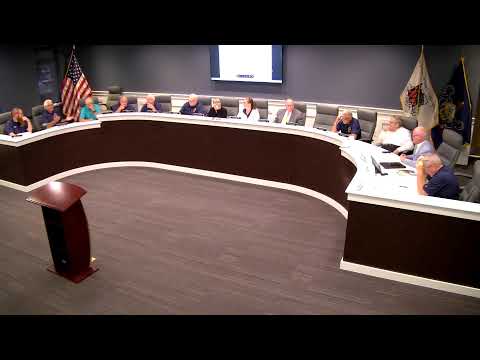
The police chief told Clifton Heights Borough Council that officers increased traffic enforcement through a PennDOT-funded aggressive‑driving overtime campaign and requested that council formally recognize an officer who applied life‑saving tourniquet care following an apparent self-inflicted gunshot at a Wawa location.
The chief said four officers participated in a PennDOT-backed enforcement detail and that department members also rode in a 65‑mile charity bike ride. The chief described a recent incident at a Wawa store where an adult customer was shot and an officer trained in trauma care applied a tourniquet and other measures to stabilize the victim; the chief said that officer’s actions "actually save[d] his life as a result of stuff." The officer named in the transcript was Colin Delmaro.
The chief asked that the mayor read a commendation at the next council meeting for the officers involved and recommended council appoint two candidates from the civil‑service commission list to fill available full‑time police positions. The manager noted the civil‑service commission had conducted testing and returned a list of two eligible candidates (the commission normally provides three). The chief said executive‑session interviews for two candidates had occurred and that if council agreed, staff would prepare resolutions for appointment and swearing in.
Why it matters: The report covers both routine enforcement activity funded by outside grants and an officer’s use of training in a trauma situation; staff requested formal recognition for the officer and sought council action to fill department vacancies.
What’s next: The chief requested a motion at the next regular meeting to appoint candidates and present commendations. Council members in the meeting voiced no objections to honoring the requests, but the transcript does not show a recorded formal vote or appointment at that session.