
County says Pet Connection has addressed Department of Agriculture findings; inspections, training and volunteer support ongoing
Get AI-powered insights, summaries, and transcripts
Subscribe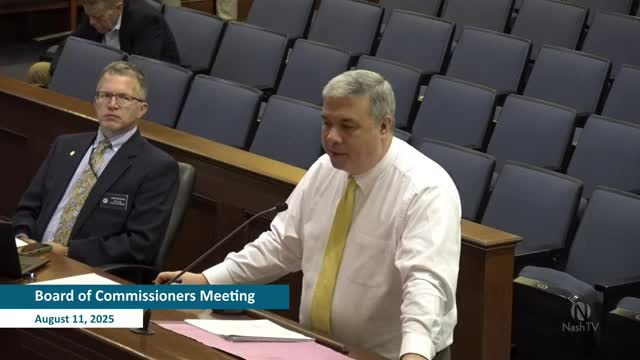
Summary
Nash County reported Aug. 11 that it has addressed the items cited in two Department of Agriculture inspection notices at the county animal shelter, resumed adoptions and is moving forward with staff training, veterinary partnerships and volunteer coordination to stabilize operations.
NASHVILLE, N.C. — After two Department of Agriculture inspection notices in June and July, Nash County officials told the Board of Commissioners on Aug. 11 they have completed the corrective actions cited by the state, are awaiting a follow‑up inspection and have begun a structured plan to stabilize shelter operations.
County staff said all items identified in the June 24 and July 23 notices have been addressed and a follow‑up inspection by the state is expected later this week or next week. “Restitution for the notices received from the Department of Agriculture will be addressed after the successful completion of the follow‑up inspections,” the county manager said during the meeting.
The county described a multipronged response: staffing changes and hires, hands‑on training and outside veterinary support, and reorganization of volunteer and partner resources. The county reported six budgeted full‑time animal‑control positions (one vacancy with an offer extended) and four part‑time staff currently employed. Several staff and volunteers completed animal‑sheltering training; the county plans additional in‑house and vendor‑led training sessions. County officials named Dr. Amy O’Malley (local clinic), Dr. Michael Hicks and others as veterinarians and regional partners assisting the shelter on medical triage and care.
The county also said volunteers and nonprofit partners—including Nash County Friends, Paw Prints and other groups—have provided hands‑on support; an event held over the weekend included adoption activity the county said reduced shelter population. As of the meeting, county staff reported 45 dogs, four cats and eight kittens in care. Medication, feeding and cleaning are now on documented schedules, the manager said.
Department of Agriculture staff have been involved in training; county staff reported an on‑site Department of Agriculture training session scheduled immediately after the Aug. 11 meeting. The county noted that emergency surrenders are being accepted; owners whose surrender requests are not urgent were asked to delay until staff complete additional training planned for the week.
Why it matters: The shelter’s inspection notices drew community attention and criticism over conditions. County officials said the immediate corrective work and scheduled trainings were intended to meet state standards and place the shelter on a sustainable footing moving forward.
What’s next: County officials said they will host a state follow‑up inspection and then coordinate with the Department of Agriculture on any outstanding fees or restitution. The county also said it will continue veterinary partnerships and volunteer recruitment to keep the shelter operational.