
Residents, precinct judges urge hand-marked paper ballots and raise FOIA concerns over ballot sequencing and scanner records
Get AI-powered insights, summaries, and transcripts
Subscribe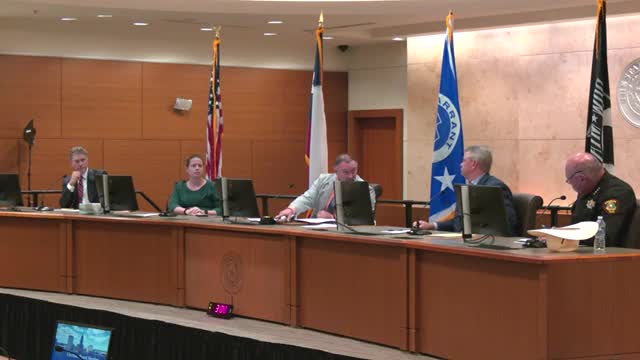
Summary
Multiple public commenters at the Tarrant County Election Board meeting urged a move to hand-marked, hand-counted paper ballots, cited President Trump's executive order and federal court rulings, and reported records discrepancies from FOIA requests, including claims of unaccounted sequential ballot numbers and missing scanner tapes.
Several residents, election judges and civic activists used the meeting's public-comment period to urge the Tarrant County Election Board to adopt hand-marked, hand-counted paper ballots, to cite pending federal action and an executive order, and to report results of public-record requests they said show gaps in county records. Commenters referenced a March presidential executive order and a Fifth Circuit ruling on counting mail ballots, and several speakers urged the county to prepare for possible federal changes. Multiple commenters said that paper ballots counted by hand would increase public confidence. Election judges who serve on the county ballot board urged better access to trainings and implementation briefings so they can apply new laws correctly. Public commenter TK Campbell told the board he had filed Freedom of Information Act requests he said showed sequential ballot numbers were not properly tracked, that large quantities of ballots had been purchased beyond expected needs, and that thousands of votes were reported without supporting scanner tapes. Campbell characterized those discrepancies as a waste of taxpayer money and asked for improved tracking and public access to reconciliation records. Jennifer Blount, another commenter, said there are discrepancies in certified mail-ballot records she downloaded and the data files she obtained, and urged tighter reporting to allow public verification of election records. Mike Brewster, who described himself as an election observer, said county reconciliation practices were inadequate and urged changes at county and party levels to improve accountability. Not all public commenters supported abandoning machines. Catherine Cano, alternate presiding judge of the county ballot board, said she opposed hand counting and described a test where hand counts produced different interpretations of voter marks; she warned that hand counts can be error-prone and stressed the need for consistent training and adjudication standards. Ballot-board presiding judge Amy Super requested access to legal briefings and training (often provided in Austin) for both the presiding judge and alternate so they can apply the new statutes and procedures that will affect adjudication and ballot-board duties. These remarks were public comment; the transcript records the speakers' claims and requests but does not show board action in response. Several commenters asked for better documentation and public access to the county's reconciliation processes and records; no specific county commitments or formal votes on the requests were recorded in the meeting transcript.