
Tarrant County approves pared voting‑site map for Nov. 4 after heated public comment and amendments
Get AI-powered insights, summaries, and transcripts
Subscribe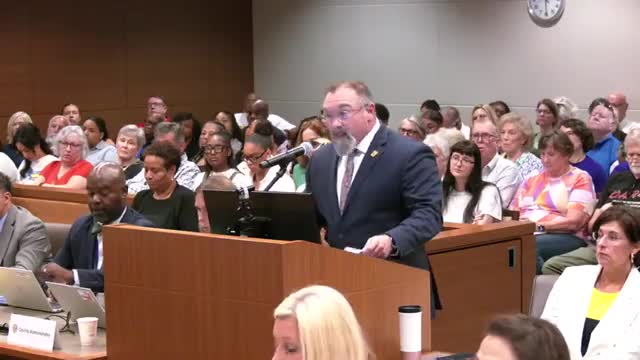
Summary
After days of public protest and hours of debate, the commissioners approved a pared list of early‑voting and Election Day sites for the Nov. 4 special election, adding back several locations amid calls to restore college and neighborhood polling places.
Tarrant County Commissioners Court on Tuesday approved a reduced map of early‑voting and Election Day polling sites for the Nov. 4 joint special and constitutional amendment election, voting 3–2 to adopt the elections office recommendation with several additions after widespread public comment and last‑minute amendments. The court’s action follows a months‑long effort by Elections Administrator Clint Ludwig to identify a smaller set of locations that would meet turnout projections and statutory requirements.
Ludwig told the court the staff analysis showed 12 early‑voting sites could process the busiest day of early voting seen in 2023 (plus a 10% growth allowance) and that state law changes set a practical minimum of 212 Election Day polling sites; his proposed list contained 24 early‑voting sites and 214 Election Day locations. He said the proposal was “the bare minimum that we believe we could use to have a good election.”
The issue erupted into broad public comment. Hundreds of residents, organized community groups and college students urged the court to preserve the 2023 footprint, saying cuts would disproportionately affect seniors, college students, Black and Latino neighborhoods and working families. Speakers said the changes would create “voting deserts” inside the 820 Loop and remove campus sites used by young voters and working students.
Commissioner Alisa Simmons said she did not have confidence in the process used to create the list and asked for more time and data before the court voted. "I don't trust the process that was used," Simmons told the court, adding that commissioners and community stakeholders were not given sufficient opportunity to review the analysis before the agenda was posted.
After back‑and‑forth among commissioners, the court amended Ludwig’s proposed list to add several sites requested by commissioners and community members, including Como Community Center, Bob Duncan Center, Tarrant County College Southeast campus, Vernon Newsom Stadium, TCC Northwest, the Northeast Sub‑courthouse, the Legacy Learning Center in Haslet and the Kennedale facility (Dover Hall). The amended motion passed 3–2.
Clint Ludwig said the county will proceed with programming and staffing the approved list and that some added sites may require follow‑up to confirm on‑site storage or secure‑room arrangements required by recent state law. He told the court many colleges cannot offer the separate locked room the statute requires, which forces either daily teardown or removal from the list unless a compliant room is identified.
The court did not adopt a motion to postpone the vote earlier in the meeting: an initial attempt to table failed, and commissioners who pressed for more time said they would continue pushing for further transparency and data. Ludwig told commissioners his team would continue outreach with site hosts and noted that some cities and independent entities joining the election may add additional locations paid for by those entities.
What happened next: Elections staff will publish the approved locations and begin operational work for poll programming and staffing. Commissioners who opposed the or who sought postponement said they would continue to press for additional communications and community outreach to explain the changes to voters.
Why it matters: The decision reduces the county’s polling footprint from past elections in some neighborhoods, a change that residents and advocacy groups warned could decrease turnout and disproportionately affect historically under‑served communities. The commission’s vote and the public reaction reflect growing local contention over access to voting and the tradeoffs between cost, statutory limits and convenience.
The court’s approval does not end the debate: several commissioners and community groups said they will continue to monitor implementation, request additional data from the elections office and seek further adjustments if operational issues arise.