North hangar conversion stalls pending electrical, fire‑code and lease review
Summary
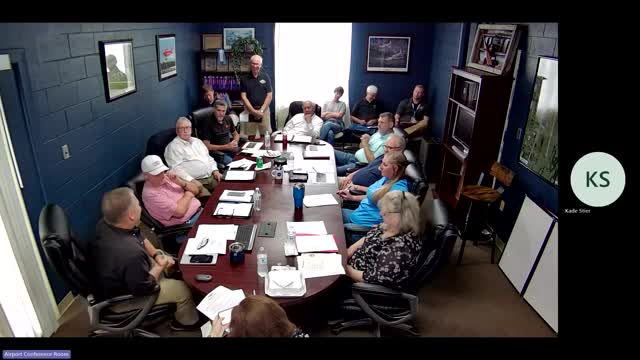
A tenant's request to convert the north T‑hangar area to maintenance use prompted a board discussion about insufficient electrical service, unclear circuit labeling, code and sprinkler requirements (NFPA standards), and the need for formal inspections and a feasibility study before any conversion.
A tenant proposed converting the north T‑hangar into a maintenance hangar; airport staff and the tenant discussed immediate concerns about electrical capacity, unlabeled breakers and whether the building could support heavier shop loads. The tenant said the existing panel "has almost exceeded its 200 amp limit" and recommended that tenants using power from the building be given separate meters.
Board members and staff called for a technical assessment before approving any change in use. Charles (airport staff) advised bringing in the city's certified electrician to scope the work and then, if needed, pulling Duck River (the electrical utility) into the discussion to determine whether a service upgrade or new pole/transformer is required. Staff noted that an electrician's rework could require inspections by the state electrical inspector and that any changes must meet code.
The group also discussed life‑safety rules: codes and standards such as NFPA 407 and NFPA 409 were cited as the guiding documents that determine when sprinklers, firewalls or separators are required; the board said the fire marshal and codes department must be consulted to establish whether additional protections are required before maintenance activities are allowed. Board members stressed insurance and liability concerns for third‑party mechanics working on T‑hangar aircraft and asked staff to verify what the existing leases allow (storage only versus maintenance) and whether additional insurance or lease amendments are needed.
The board asked staff to perform due diligence on electrical loads, code and insurance requirements and to report back next month with specific findings; if upgrades are needed, staff indicated they would gather cost estimates and discuss whether the city, tenants or the airport utility would fund the work. No lease changes or approvals were made at the meeting.