
Committee to refine wooded-lot permit allowing landowners to let large lots return to natural growth
Get AI-powered insights, summaries, and transcripts
Subscribe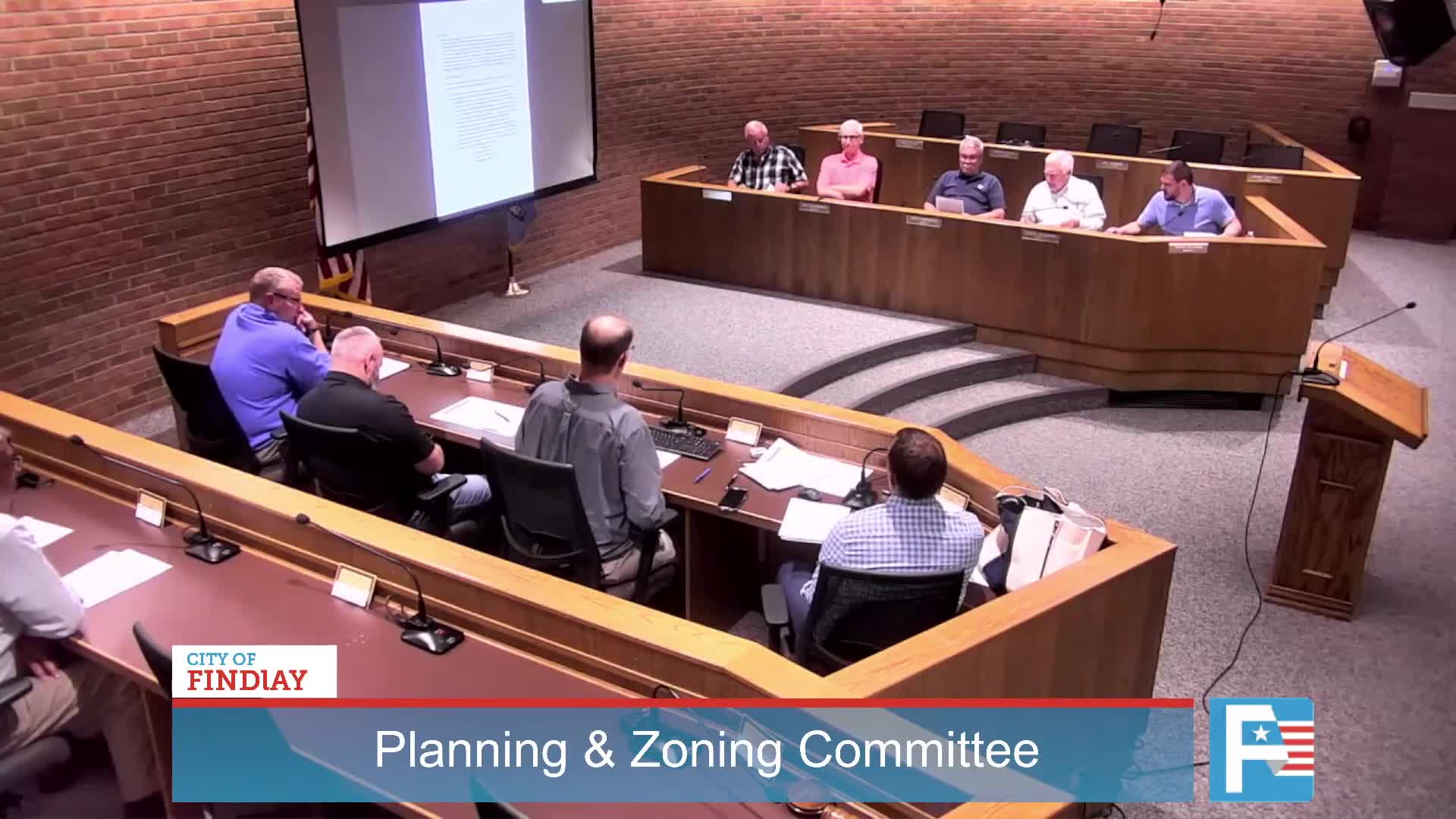
Summary
Staff presented a new "wooded-lot" option to exempt larger lots (greater than one acre) from repeated weed/grass permit enforcement by approving a plan showing the area to be left natural; committee instructed staff to return with clarified language and to remove onerous pest-control requirements.
The committee discussed a proposed addition to the city's grass/noxious-weed rules that would allow owners of larger lots to request approval for designated "wooded" or natural-growth areas instead of repeated mowing requirements.
Under the draft, lot owners with parcels greater than one acre could submit a plan or drawing identifying the area to be left native or natural; staff said typical approvals would include a requirement to maintain a buffer strip adjacent to neighbors and a mowing schedule for frontage or pedestrian-visible areas. The plan-based approach is intended to give owners a pathway to maintain pollinator habitat, riparian buffers or naturalized open space without repeated nuisance citations while preserving neighbor protections for visibility and pest control.
Committee members supported the concept but requested several clarifications, including explicit limits on front-yard appearance, a simplified submittal (a survey or auditor's map printout showing the area to be naturalized), and removal of a detailed "pest and rodent control plan" requirement. Staff agreed to revise the draft and return it for committee consideration at the next meeting, with the committee asking for draft language to be circulated in advance.
Why it matters: the change offers a formal path for larger property owners to establish natural areas or pollinator habitat while allowing the city to avoid ad-hoc enforcement and to require modest buffers to protect neighbors.
Next steps: staff to remove the overly prescriptive pest-control language, state that the public-facing front yard should remain maintained, and return a cleaned-up version for committee review before sending any ordinance to council.