
Council hears proposal to raise TMRS contribution as personnel costs climb
Get AI-powered insights, summaries, and transcripts
Subscribe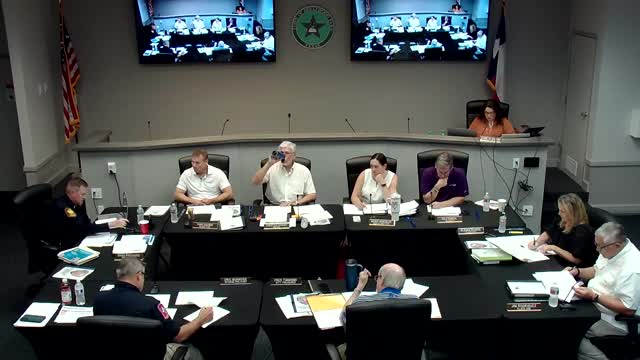
Summary
City staff told the council that moving the municipal retirement contribution from 6% to 7% and other salary-related changes would raise recurring personnel costs by roughly $98,000 a year and push the fire department payroll and retirement line items substantially higher.
Fred (staff member) told the Town Council at the Aug. 14 budget workshop that the town is proposing changes to retirement and payroll assumptions that would add recurring costs to the personnel budget. The town’s payroll plan includes a proposed 3% cost-of-living increase for all employees and a recommendation to raise the town’s matching contribution to the Texas Municipal Retirement System — TMRS — from the current 6% to 7%. "We're requesting a 3% COLA for all employees," Fred said. "We are currently at the 6% rate. I'm proposing that we go to the 7% rate." Why it matters: City finance staff said the retirement increase, combined with payroll taxes and other personnel-related charges, would raise annual personnel expenses for the fire department and citywide. The finance explanation showed the effect on the fire budget specifically: salaries, payroll taxes and retirement together push the department’s personnel projection well above last year’s approved figures. What council members asked and what staff said: Council members pressed for detail on how TMRS calculations translate into the town’s actual payments. Fred explained that while the town contribution is described as a percentage of salary (6% or 7%), TMRS applies actuarial factors so the town’s required employer contribution is higher than a straight percentage match. "We do a 2-for-1 match," Fred said; "on the 6% we're paying 12%, but they have some other factors involved… for the 6% I use 15%, and I used 18% for 7%." Fred showed a schedule in a handout with modeled totals for the different contribution rates and said raising the employer rate to 7% would increase the town’s total retirement cost for all departments from about $490,000 to about $588,000 — an increase of roughly $98,000 annually. Council discussion focused on affordability and competitiveness. One council member said, "A 24% increase in payroll is not sustainable given our projected revenue increase of about 3%." Supporters noted police and fire recruiting problems when neighboring jurisdictions offer higher TMRS matches and recommended inviting a certified TMRS administrator to a future workshop to explain the actuarial details and the ordinance process for adopting a higher rate. Next steps and uncertainty: Staff offered to circulate TMRS communications and actuarial notices that explain the plan factors and to arrange for a certified TMRS plan administrator to attend the next budget workshop to walk council through the numbers. No ordinance or formal decision was taken at the meeting. Ending: Council members signaled they want more detail before a final vote on retirement contribution changes; staff will provide TMRS rate documentation and a guest presentation at a future budget meeting.