Get Full Government Meeting Transcripts, Videos, & Alerts Forever!
Get email alerts on the Pfas Legal topic
No spam. Unsubscribe anytime.
Fostoria council reviews proposed PFAS legal contract after concerns about 33% contingency fee
Summary
At first reading council reviewed an ordinance authorizing the law director to contract outside counsel for PFAS litigation. Staff and members raised questions about a 33% contingency fee, typos in the retainer, and whether the city’s water tests already fall below state limits.
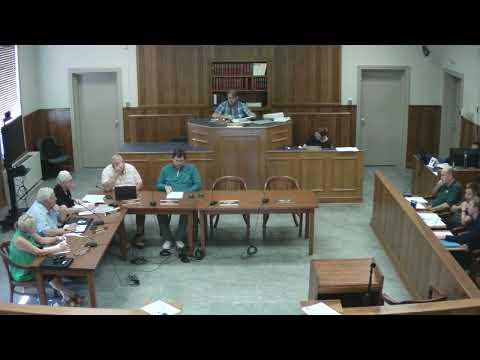
The Fostoria City Council at first reading reviewed an ordinance authorizing the director of law to enter a contract with outside counsel to pursue funds tied to PFAS contamination in drinking water, and council members and staff said they wanted more vetting before the city signs a contingency retainer.
The matter drew scrutiny because the firm’s contingency fee appears to be 33% of any settlement and the draft retainer included several typographical errors, prompting the director of law to recommend further review rather than an emergency adoption. "I would like to give some background on the PFAS legislation before you tonight," the mayor told the council, introducing the item. The law director said the firm had been referred by the Ohio Municipal League and that the city’s previous tests had shown levels "under that allowable limit." "We were originally gonna ask you guys to pass that as an emergency because time it is a time sensitive thing because it's an ongoing lawsuit," the director said, but added she preferred to pause and investigate the firm's terms and legitimacy.
Councilmember Cassidy said he could not speak to class‑action practice generally but offered a point of comparison: "I can't speak to, class action lawsuits, but I can tell you in an auto claim, if you seek, an attorney to represent you in those cases, 1 third is the the standard." City staff and members stressed that the law firm had represented it would front testing and other costs and would only be paid if there were recoveries, but the council flagged the combination of a substantial contingency percentage and apparent drafting errors in the retainer as reasons to research alternatives.
No vote was taken on the ordinance at the meeting; it proceeded as a first reading only. Staff said they will investigate the referral, the retainer language and customary fee levels for similar public‑entity cases, and return with recommendations. The law director said if the inquiry shows the contract is not acceptable, "we'll let it die on the table."