
Rialto Unified presents mid‑year assessment update showing mixed gains across grades
Get AI-powered insights, summaries, and transcripts
Subscribe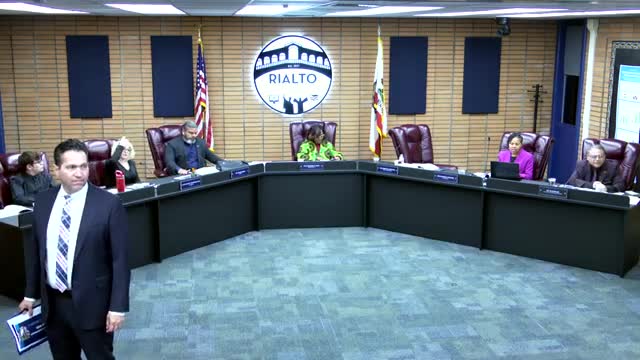
Summary
District administrators presented mid‑year assessment data and described increases in some reading and math measures while noting persistent gaps for some student groups.
Rialto Unified district leaders presented mid‑year assessment findings on March 5, describing gains in some assessment measures and continued gaps for specified student groups.
Dr. Ingrid Lin and district academic leaders walked trustees through the district’s diagnostic assessments and interim measures used this year. The presenters used color‑coded performance bands to show where reading and mathematics growth had occurred and said the information will guide instructional changes and targeted interventions.
Dr. Borciaga (academic leadership) explained the district’s approach to diagnostic testing, comparing fall, winter and spring administration windows and the district’s use of the NWEA (referred to in the presentation as NWA) and California summative assessments. He said gains were visible in mathematics and that some schools showed “astronomical” increases after piloting targeted programs; at the same time, he said results vary by grade and subgroup and the district will use the data to adjust instruction.
Presenters highlighted subgroup trends the district monitors — English learners, students with disabilities and Hispanic and Black students — and said that while some subgroups edged up in proficiency bands, others remain below grade level and will receive targeted supports, tutoring and in‑class interventions. The presentation named Loren Hernández and other data staff as district resources supporting school‑level data analysis.
Trustees asked questions about how the district allocates tutors and coaches, how secondary assessment schedules affect data availability for ninth and 10th graders, and how schools will use scores to shape summer and in‑year supports. District staff said some high school results are not yet available because of assessment timing and that the data will inform teacher planning and interventions.
The district emphasized that the assessments are diagnostic, intended to identify “distance to standard” and inform instruction rather than to be standalone judgments of teacher performance.