Get Full Government Meeting Transcripts, Videos, & Alerts Forever!
Get email alerts on the Public Participation Free Speech topic
No spam. Unsubscribe anytime.
Parents, lawyers and advocates press Morton board over lifetime bans and alleged discrimination; board moves to closed session
Summary
Dozens of residents urged the Morton CUSD 709 board Tuesday to lift lifetime bans on two community advocates and to address alleged discrimination against LGBTQ and other students; an attorney and a statewide advocacy director warned the board of legal risk.
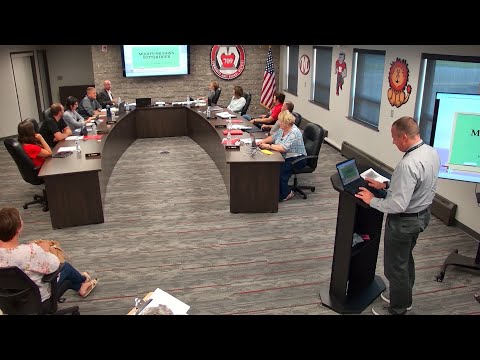
Speakers at Morton CUSD 709’s June meeting spent a large portion of the public comment period pressing the board to lift lifetime bans imposed on two local activists and to respond to allegations of discrimination against LGBTQ and other students.
Multiple residents described the banned community members — identified in public remarks as Tammy Woodmancy and another local activist — as longtime advocates for students, and several speakers said the punishments were excessive. “She has a lifetime ban from all events as well as school board meetings,” one speaker said, describing effects that included being barred from picking up children or attending school recitals. Another parent said the ban had chilled other residents from speaking at meetings.
Deanna Brown, an attorney who said she advises nonprofits and other clients, addressed the board on constitutional grounds. Brown told the board a lifetime prohibition on speaking at public meetings raises serious First Amendment questions and said court precedent requires speech restrictions in public forums be narrowly tailored and time limited. “I have found no justification, legal or ethical, for banning a person for life from speaking at a public meeting,” Brown said.
Asher McMacher (identified as executive director of Trans UpFront Illinois) told the board his organization had logged roughly 30 complaints involving the district and that he had been in contact with the governor’s office and the Illinois State Board of Education. McMacher said his group and allied organizations (ACLU, Lambda Legal) had discussed potential legal action and that attorneys were prepared to pursue remedies. “Banning someone from speaking who is a resident of your district is eliminating the right as a constituent from access. That is illegal. Point blank,” he told the board.
Other public commenters recounted personal interactions with the banned residents and described the community‑level impact. Several speakers credited the advocates with helping bullied or marginalized students and with prompting past personnel changes after community complaints. A parent and district staff said district employees had connected families with supports, and several speakers urged the board to reverse the bans to avoid legal exposure and to model civic engagement.
A speaker who said she had submitted a police report following a hallway altercation referenced a Morton Police case number (23‑01137) during public comment. Several speakers described the underlying incidents as minor and said the board’s penalties were disproportionate.
In response to public comment, the board made a motion to go into closed session citing personnel and a board hearing; the motion passed on a roll call. No public action lifting or modifying bans was taken during the open session. Board members indicated they would review the issues in closed session and return with any formal actions afterward.
Several community organizations and officials mentioned by speakers included the Illinois State Board of Education, the governor’s office, Trans UpFront Illinois, the ACLU and Lambda Legal, and the Freedom From Religion Foundation. Speakers said state and federal civil‑rights advocates were monitoring the district and that some parties had filed or prepared complaints.
No formal board decision on the bans was announced publicly at the meeting; the board’s move to closed session ended public comment and set the matter for confidential deliberation.