Get Full Government Meeting Transcripts, Videos, & Alerts Forever!
Get email alerts on the Tax Incremental Finance topic
No spam. Unsubscribe anytime.
Finance committee approves closure of Tax Incremental District 7; city to absorb $250,000 shortfall
Summary
The West Bend Finance Committee voted to approve Resolution No. 31 to terminate Tax Incremental District (TID) 7, returning full property values to taxing jurisdictions while leaving a roughly $250,000 reconciliation that the general fund will absorb.
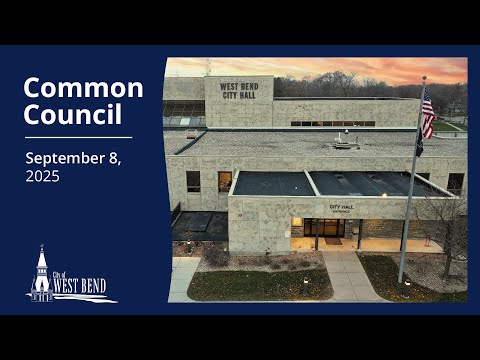
The City of West Bend Finance Committee on Sept. 8 approved Resolution No. 31 formally terminating Tax Incremental District 7, which the presenter said was created in 1999 and has reached the end of its authorized term. The committee voted to transmit the required closeout paperwork to the Wisconsin Department of Revenue.
Why it matters: Ending the district returns the full, post‑development assessed value to all taxing jurisdictions (city, county, school district and others). The city will not be collecting the district increment for the TID any longer; instead those taxing jurisdictions will see the higher base on their tax rolls.
City staff member John told the committee the district “has generally performed as expected” by generating new assessed value and public infrastructure in an industrial area. He said the district will collect one final round of increment taxes but will be about $250,000 short of fully reimbursing prior general‑fund advances used during the district’s life.
John gave example summary figures: a base value of about $19,000,000 and an increment of about $23,300,000, producing a current total assessed value near $42,400,000 for properties in the district. He said those increment figures “have created additional value on those lands” and that, once the district closes, that full value becomes taxable for all jurisdictions rather than being diverted to pay TIF debt.
Committee members asked how the roughly $250,000 shortfall will be handled. John said the shortfall represents prior payments and is not a new current‑year debt service item; the general fund will absorb the remaining amount and there are no further statutory extensions available except limited extensions for affordable‑housing purposes under state law, which were not applicable here. The committee approved the resolution with an affirmative voice vote.
What’s next: City staff will file the closeout materials with the Department of Revenue. After the TID is closed, taxing jurisdictions will begin receiving taxes based on the full post‑development assessed values.
Sources: Finance Committee meeting, Sept. 8, 2025.