
‘Buck the Trend’ presenter urges culturally tailored rural mental-health outreach
Get AI-powered insights, summaries, and transcripts
Subscribe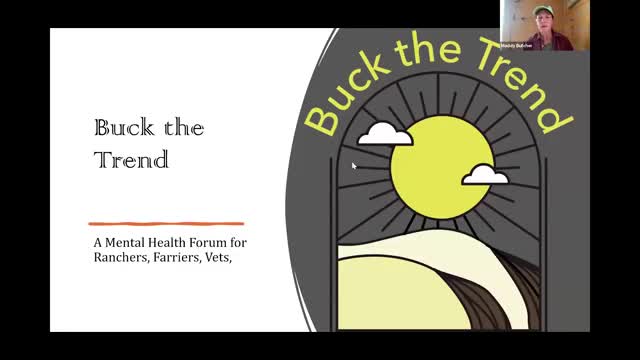
Summary
A presenter described 'Buck the Trend,' a rural-focused two-day workshop model developed to address cultural and logistical barriers to behavioral-health care among ranchers, farmers and fishing communities and recommended community-informed planning for local summits and outreach.
Maddie Butcher, a presenter at a CSU Pueblo workgroup meeting, described Buck the Trend, a two-day workshop model designed to address cultural and logistical barriers to behavioral-health care in rural agricultural and fishing communities. Butcher said the model emphasizes listening to local residents, tailoring content to cultural norms, and using familiar activities to reduce stigma and increase engagement.
Butcher framed the program as grounded in community listening and practical planning, citing examples from other rural places where professionals created training materials that matched local language and occupational realities. She said participants preferred local credibility — for example, facilitators who understand ranching or fishing culture — and recommended that people in positions of funding or policy spend time in rural communities to gain context before designing programs.
Attendees asked how to make a summit accessible to working producers, including questions about scheduling and incentives. Butcher and other attendees suggested approaches such as small, locally organized events, multi-day formats with clear goals, and modest incentives (for example, small stipends or meals) to reduce barriers to participation. The presenter also noted existing materials — podcasts and web pages — that describe the Buck the Trend work and offered to share resources with the group.
Workgroup members said the topic connects to planned statewide summits and local outreach; organizers asked for Buck the Trend materials to be circulated to summit planners and subcommittees. No formal vote or binding decision was recorded; the session concluded with commitments to share materials and to explore integrating the approach into future community events.