
Council weighs who pays ordinance change for senior center liquor sales
Get AI-powered insights, summaries, and transcripts
Subscribe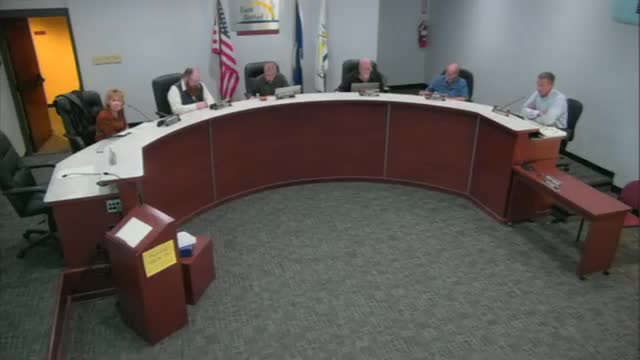
Summary
City staff said changing city code to allow liquor at the senior center would cost about $3,000 in legal and zoning work. Councilors discussed whether the senior center or the city should pay and asked staff to provide state-law background on liquor/food requirements.
City staff told the City Council at its Aug. 25 work session that updating city ordinances to allow liquor service at the senior center would require legal and planning time and estimated the one-time cost at about $3,000. "We had to establish kind of a cost to change the ordinances...rough cost of maybe around $3,000 to get this, get this, effectively changed," staff said.
Why it matters: Changing the city code would allow recurring private events such as weddings or anniversaries to include liquor service without applying for single-event permits. Staff said the change would require careful drafting to limit authorizations to senior-center activities and to preserve park-wide prohibitions elsewhere.
What staff said: The cost estimate covers legal review and planning/zoning work to amend ordinances that currently prohibit liquor in parks. Staff said the change would be a one-time cost: "This would be a 1 time cost." They recommended that food be sold concurrently with liquor service in line with state requirements, noting that contracted food vendors in the city (named in the meeting) would be expected to meet insurance and licensing requirements. "According to state law, there would have to be food sold at the same time as liquor," staff said.
Council discussion and follow-up requests: Council members questioned whether some private-event vendors carry only liquor licenses and asked staff to pull the relevant state law. Staff identified the city's licensing expert as Carrie, who handles permitting and would provide background to clarify whether the vendors the council described are allowed under state law. Council members also discussed whether the senior center could absorb the cost or whether the city should cover it; no final decision was made. One council member noted seniors have limited budgets and said they were "pretty flabbergasted" when told they might have to pay.
Direction versus formal action: No ordinance change was adopted at the work session and no formal motion was recorded. Council asked staff to provide a written explanation of state licensing requirements, a detailed estimate of legal costs, and options for cost-sharing or city absorption of the one-time expense.
Ending: Staff will return with legal citations on state liquor rules, an itemized cost estimate for ordinance changes, and suggested options for funding the one-time expense.