
Monroeville fire chiefs outline $7–8 million fleet replacement plan, urge council review before next contract
Get AI-powered insights, summaries, and transcripts
Subscribe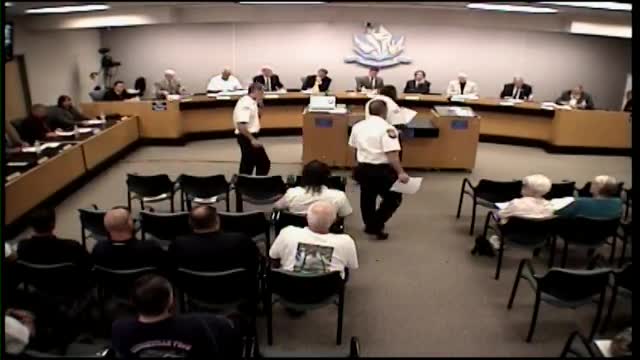
Summary
Local fire chiefs presented a fleet replacement proposal for five frontline vehicles, citing NFPA 1901 service-life guidance, extended vendor lead times, and potential savings through a cooperative purchasing program; council did not vote and asked managers and chiefs to coordinate for the next five-year agreement.
Monroeville fire chiefs on Sept. 2 urged council to consider replacing five frontline apparatus over coming years, saying older vehicles are costing more to maintain and long vendor lead times mean decisions must start now.
At a citizens-night presentation, chiefs identified five apparatus — described in the packet and presentation as a quint and four engines/trucks — and cited the National Fire Protection Association standard for automotive fire apparatus (NFPA 1901), which recommends frontline fire apparatus remain in first-line service for about 15 years. "Older fire trucks typically require more frequent and costly repairs," one chief said, adding that vehicles out of service "slow down the operation and could cause costly delays."
The chiefs presented a vendor quote for five new vehicles and related financing options. The packet listed a total price figure for the five vehicles (presented verbally as roughly $7.0 million) and a prepaid option the presenters said would be honored only until Sept. 15, 2025. The presenters also said a prepay discount would reduce the total to about $7,145,899 and that the listed prepay saving was $794,876; the presentation included several line-item estimates and an estimated $750,000 in proceeds from selling existing vehicles and $450,000 previously earmarked for three refurbishments that were not completed.
Chiefs cautioned council about current lead times for build-to-order apparatus: "engines are taking anywhere from three years now to be built, and ladder trucks are four years," they said, and noted vehicle ages in the existing fleet (examples given: Quint 1, model year 2006; engines from 2008–2010). They said higher parts and refurbishment costs prompted the recommendation to pursue replacement rather than further refurbs.
The presenters said they used a cooperative purchasing route to avoid a separate bid process; they referred to the Commonwealth cooperative purchasing program used by public agencies. They provided vendor representatives for technical and pricing questions during the presentation.
Council members asked clarifying questions about which vehicles are included in the current fire agreement and which are newly proposed. Presenters and council agreed the current five‑year agreement ends Dec. 31 and that preparing a replacement five‑year agreement will require additional coordination between the borough manager and the fire chiefs. No vote or formal authorization was taken that evening because this was a nonvoting citizens-night agenda-setting meeting.
The presentation materials will be part of the packet for the upcoming regular meeting, and council members indicated they expect the chiefs and borough manager to work together on a draft agreement and financing plan to appear on the formal agenda for council action.