
Swain County superintendent outlines classroom-focused plan: coaching, explicit instruction and attendance incentives
Get AI-powered insights, summaries, and transcripts
Subscribe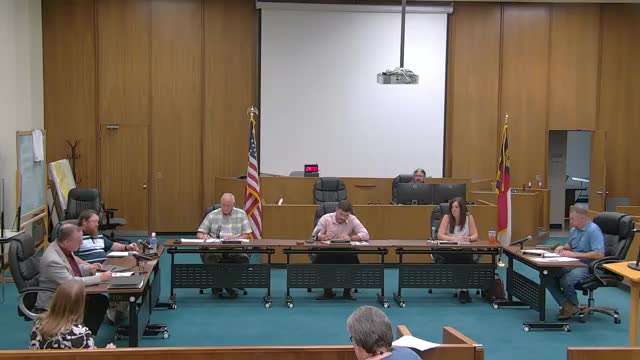
Summary
Superintendent presented district goals emphasizing classroom coaching, explicit instruction, literacy supports, attendance incentives and community communications; board agreed to review related policies and to bring school-level NCSTAR strategic plans in the fall.
The Swain County Board of Education heard a district-level plan focused on strengthening core classroom instruction rather than increasing small-group interventions, Superintendent said during the board’s regular meeting. The superintendent recommended a systemwide coaching initiative, clearer expectations for explicit instruction in classrooms, expanded literacy training and a district-funded attendance incentive pilot to increase daily student attendance.
The superintendent told the board that district projections for 2024–25 test results are not yet public and should not be shared because the North Carolina Department of Public Instruction (DPI) has not released final data. She said assessments show stagnation and that “we don't have an intervention problem, we have a core problem in the classroom,” adding that many students “are not completing the skill sets that we need for them to have.”
Nut graf: The initiative is aimed at improving day-to-day instruction across all schools by training teacher leaders, standardizing observable instructional practices and increasing student attendance; the superintendent said these steps are intended to improve proficiency by addressing what students learn during regular class time rather than relying primarily on pull-out interventions.
Most of the instructional changes described center on three items: a coaching program for principals and teacher leaders, a set of explicit-instruction expectations for classroom practice, and targeted literacy professional development. The superintendent said the district is applying for a state program called Advanced Teaching Roles that would pay qualifying teacher-leaders between $3,000 and $10,000 from state funds to work as in-school coaches or lead teachers. “There is a plan... called the advanced teaching roles that we are applying for,” she said, and emphasized that the extra pay would come from state budget coffers rather than local funds.
The superintendent described a short written checklist included in the board packet that identifies five or six core components of explicit instruction; principals and the district’s TLCs (teacher-leader coaches) will conduct walkthroughs to identify strengths and areas for support. She noted the district has a percentage of instructional staff “that are not classically trained and have very limited classroom experience,” and framed the checklist as a way to provide clear expectations and targeted support.
On attendance, the superintendent said the district will set aside a budget to create positive attendance incentives and that social workers and counselors will design those school-level programs. “You decide what you want to do with this money so that we can help our students be at school on a more regular basis,” she told the board.
The superintendent also proposed adding a public information officer to improve the district’s outreach, saying the district “needs the community to know that we need our community.” She suggested a PIO could help restore the level of community support the district has seen historically and make parents aware of programs such as free meals.
Board members asked for time to review several related items. The superintendent asked the board to defer a set of board-policy proposals related to diversity, equity and inclusion (previously presented as a first reading) so members could review them; the board agreed to take the policies up again in September.
The superintendent outlined next steps and timing: schools will receive the district goals and are expected to develop school-level NCSTAR strategic plans beginning in September; the district will pilot a high-school math diagnostic tool (iXL) this fall to identify deficits; and the district will move cautiously on major textbook adoptions because new math standards are expected next year. “We don't want to do a big adoption and then have wasted our money,” she said.
Ending: The board did not take a formal vote on the instructional strategy as a single package at the meeting; items such as policy language and school-level plans were set to return to the board for review in coming weeks, and the superintendent asked principals to bring specific action steps back to the board as part of the NCSTAR submissions in September.