Get Full Government Meeting Transcripts, Videos, & Alerts Forever!
Get email alerts on the Attendance Instructional Quality topic
No spam. Unsubscribe anytime.
Superintendent highlights "ideal learning environment" video, cites attendance and growth concerns
Summary
Superintendent Dr. Patrick Locke and building leaders presented a district video on ideal learning environments, discussed cell-phone cubbies and chronic absenteeism data, and outlined the district's MTSS growth findings and next steps for instructional supports.
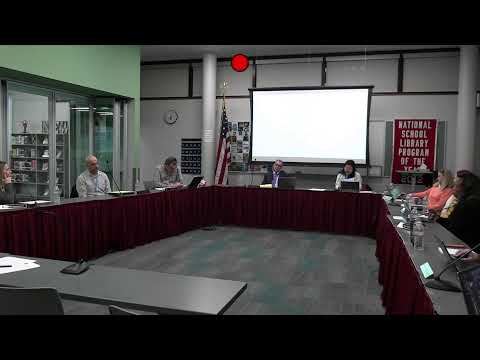
Superintendent Dr. Patrick Locke introduced a new district video on the "ideal learning environment" at the Jan. 23 meeting and framed it around student engagement, attendance and instructional rigor.
The video and subsequent discussion emphasized classroom engagement, limiting electronic-device distractions (the district has deployed classroom cell-phone cubbies donated by parent organizations), and the link between regular attendance and academic success. "When we talk about a classroom environment, we're talking about a student being engaged, thinking, learning, talking dialogue to their teachers, their students," Locke said.
The nut graf: Administrators told the board that addressing chronic absenteeism and instructional supports are part of improving college- and career-readiness; the district plans to report MTSS (multi-tiered system of supports) data and growth results in the February academic committee report.
Principals and staff described classroom-level initiatives and supports. Principal Walsh and district staff said South is increasing efforts to "level up" students into honors and AP courses, relying on differentiated instruction and tiered interventions rather than reintroducing tracked "G-level" classrooms. "I think we can meet these kids in a different way," Walsh said. Building staff and students who appeared in the video described the classroom impact of removing phones and increasing student participation.
Administrators summarized growth data from the district's spring 2024 SAT-suite analysis: students across entry percentiles generally showed growth that exceeded national margins, but students in the lowest quartile are not growing enough to close the gap with peers. Staff warned that the state will switch to the ACT the next year, complicating year-over-year comparisons, and said Jason Markey would convert data for continuity.
Ending: District leaders said the videos are available online and will be used for staff and parent programming. They committed to providing MTSS and growth metrics to the academic committee in February and to continuing collaboration among parents, staff and administrators to reduce absenteeism and improve instructional outcomes.