Get Full Government Meeting Transcripts, Videos, & Alerts Forever!
Get email alerts on the Public Safety Facilities topic
No spam. Unsubscribe anytime.
Hartland presents options for new police and fire facilities; bank-owned bowling-alley parcel under review
Summary
Village officials and consultants outlined why Hartland needs new police and fire facilities, described sites evaluated (including a Waukesha State Bank-owned former bowling-alley parcel), and gave cost and timeline estimates while taking public questions at an August informational session.
Hartland officials and a consultant on Aug. 1 told residents that the village is evaluating several sites, including a bank-owned former bowling-alley parcel, for a new police station and an expanded fire station, saying the existing buildings are undersized and have code and health-related deficiencies.
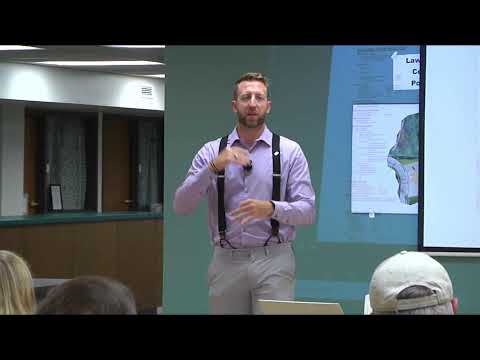
Devon, project manager with Keller & Associates, said in a presentation that the village’s space-needs work began with an earlier assessment by Zimmerman (2022–23) and that Keller reviewed and refined those findings. "Where police and admin is right now is the old bowling alley, if I am understanding that correctly," Devon said, and summarized the consulting firm's current view of space requirements: roughly 19,000 square feet for a modern fire station and about 22,000 square feet for police, compared with about 8,900 square feet and 8,500 square feet, respectively, at the existing facilities.
Why this matters: Village leaders said the buildings now create operational and safety problems — for example, limited evidence storage, inadequate decontamination and shower space for firefighters, cramped detective and interview spaces, limited locker capacity and vehicle storage, aging HVAC and windows, and asbestos in places. Police and fire staff and trustees repeatedly told residents that those constraints affect daily operations and long-term health and liability risks.
Officials gave a preliminary cost range. Devon said Keller’s current cost estimate range for the two projects together is between $24.5 million and $29.5 million, and village officials said they set a hard cap of $29.5 million for project scope. Village President Jeff Vannerstel said that figure does not include the cost of buying land; the amount the village might pay to acquire a privately owned parcel has not been finalized. "We don't know how much we'll have to pay for the land," Vannerstel said, adding that Waukesha State Bank — the current owner of the former bowling-alley parcel — had been cooperative in early talks.
Officials described alternatives they reviewed: demolition and rebuild at the existing fire site; modular or add-on renovations; siting fire and police together in a single shared building; and moving police (and possibly administrative/recreation staff) to another site. Devon said remodeling the existing buildings repeatedly proved expensive when modern building codes, structural reinforcement and the specialized requirements for emergency facilities were applied. "By the time we do all that selective demo, the numbers were very, very, very close," he said.
Several residents asked whether the village had considered combining police, fire and administration in one building or building upward to save land. Devon and trustees said the option is under consideration but not yet resolved: architects still must test layouts, code-mandated "importance" factors for emergency uses raise complexity for conversions, and the village is still evaluating traffic, stormwater and other site constraints. Devon said more detailed design progress could be ready in September or October.
Process, oversight and procurement: Officials said Keller would act as project manager if the village proceeds and that construction work would be competitively bid in separate packages to contractors (bids would come directly to the village). A resident asked about Keller's role and fees; trustees said multiple firms were considered during the vendor selection, Zimmerman produced the initial study and Keller later concurred with and refined the analysis.
Taxes, financing and timeline: Officials said the village expects to borrow for the project; trustees mentioned an illustrative tax impact estimate of about $1.10 per $1,000 of assessed value for the combined projects, subject to interest rates and final scope. Vannerstel said interest-rate movements and the final land price would change the taxpayer impact and that the village will continue to publicize updates at meetings and in mailings — the village spent about $2,100 to mail notice of the information session to all Hartland addresses, he said.
Public feedback and next steps: Officials said Hartbrook Park is no longer being pursued after the previous controversy, and that the board is now focused on the bank-owned bowling-alley site and other municipal parcels. Officials offered tours of the existing police and fire facilities after the meeting. Devon and trustees told residents they would return with updated designs and more details in coming months and that staff will pursue traffic and environmental studies only when the village is farther along in selecting a preferred site.
What officials did not decide: The village made no final decision at the session and no formal vote was recorded. Staff and consultants will continue evaluations, pursue necessary studies if the village advances a site, and report back with refined cost estimates, site plans and recommended procurement steps.