
Bethlehem council adopts rewritten subdivision and land-development code after public debate
Get AI-powered insights, summaries, and transcripts
Subscribe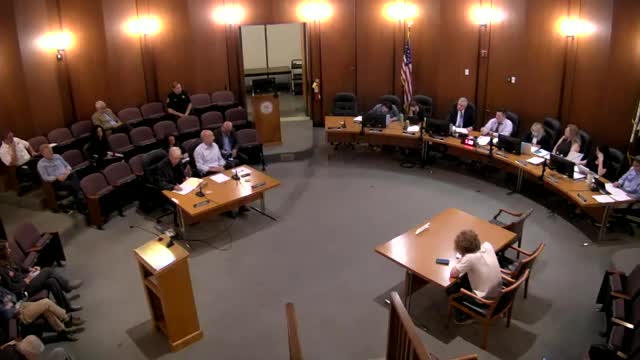
Summary
City Council voted unanimously to repeal and replace Part 13 of the codified ordinances (the SALDO); supporters said the rewrite clarifies procedures and aligns city policy with climate and housing goals, while some public commenters urged attention to affordable-housing impacts.
The Bethlehem City Council voted 6-0 to repeal and replace the city’s Subdivision and Land Development Ordinance (SALDO), adopting a rewritten Part 13 intended to clarify procedures and fold in planning goals such as sustainable design and alignment with the Climate Action Plan.
The new ordinance (bill 39 20 25) was presented and discussed at the meeting; sponsors included Councilwoman Grace Cramsie Smith and Councilwoman Leon. The council passed the measure after public comment and a question-and-answer period between council members and planning staff.
Why it matters: City planners and supporters said the update modernizes rules that had not been comprehensively revised in decades and will make the review process clearer for applicants and departments. Opponents and some public commenters said portions could raise costs for small developments and urged adjustments to preserve affordable housing.
Public comment: Joseph (Joe) Poposki, who said he was running for city council, urged changes to a related stormwater provision and warned that requirements for bike and walking paths in small subdivisions could add costs to housing. "Take the 10 lot subdivision and you lose 1 lot to the bike path... That increases the cost on those houses 11%," Poposki said, urging a higher threshold.
Supporting voices: Gail Domalakis, a resident, defended the ordinance’s sustainable elements: "We can't afford to not incorporate these, sustainable elements that will work to improve our air quality..." She and others said permeable paving, trees and stormwater management can provide long-term savings and resilience.
Council and staff discussion: Planning and administrative staff told council that many SALDO changes reflect long-standing practice and administrative clarity rather than new, costly regulations. A city staff member said the housing market’s rental vacancy rate used in planning was about 2% in the city’s opening door study, which the administration cited to explain pressure on local housing supply.
Vote and next steps: The council voted to adopt the SALDO rewrite unanimously. Council members said they will monitor outcomes and encouraged staff to track whether the ordinance affects development costs or housing supply; staff said incentive programs (for example, existing tax abatement districts and zoning incentives) remain available and that many sustainability measures are encouraged rather than mandatory.
Ending: Council members urged follow-up evaluation and data collection to see how the new rules affect housing outcomes; they said future adjustments could be considered if the city sees adverse impacts on affordability.