
Council adopts revised subdivision and land-development code; city says changes clarify procedures, not raise housing costs
Get AI-powered insights, summaries, and transcripts
Subscribe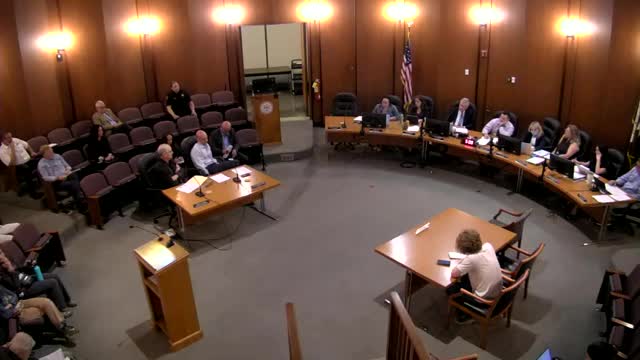
Summary
City council passed a comprehensive replacement of the city's subdivision and land-development ordinance (SALDO). City staff said most changes align written rules with existing practice and do not add large new costs to development; councilors asked questions about timing, incentives and enforcement of sustainability provisions.
The Bethlehem City Council adopted a comprehensive rewrite of the city's subdivision and land-development ordinance (SALDO) after discussion about process, incentives and potential costs for housing. The measure passed 6–0.
Why it matters: the SALDO governs site-planning processes and technical requirements for new subdivisions and developments. City staff and several council members said the rewrite brings codified procedures into alignment with long-standing practice and state planning law, which they said should reduce confusion for developers and applicants.
What council heard: planning staff told council the bulk of the update clarifies procedures, recordkeeping and review stages. A staff member said, "The majority of the changes ... are just aligning basic processes and procedures with long standing practice and existing... provisions," and that the update is not meant to impose broad, costly new mandates on developers. Councilors pressed staff on where the SALDO intersects with the zoning ordinance (dimensional requirements remain in zoning) and asked how incentives — for example, tax abatement in targeted districts or green-building incentives — will be communicated to developers. Staff said such incentives are typically flagged during early planning reviews and handled case-by-case through economic development and permitting staff.
Sustainability and trees: councilors asked about the enforceability of new landscaping and tree-preservation language and what "where practical" means for privately owned trees. Staff said the city cannot generally prohibit property owners from removing interior yard trees, and that some sustainability incentives rely on zoning or voluntary programs. The ordinance does include provisions intended to encourage green infrastructure and to make climate-related considerations part of early planning review.
Vote and next steps: Bill 39-2025 (the SALDO replacement) passed unanimously. Staff said they will continue outreach to developers and the Environmental Advisory Committee (EAC) to monitor implementation and to report back if any provisions appear to impede housing production or if uptake of incentives is low.
Ending: Council members and staff said they will track outcomes and consider future adjustments, particularly if market feedback or data show the ordinance is having unintended consequences on housing supply or affordability.