
Retreat flags regulatory delays and calls for streamlined approvals, data‑driven preservation
Get AI-powered insights, summaries, and transcripts
Subscribe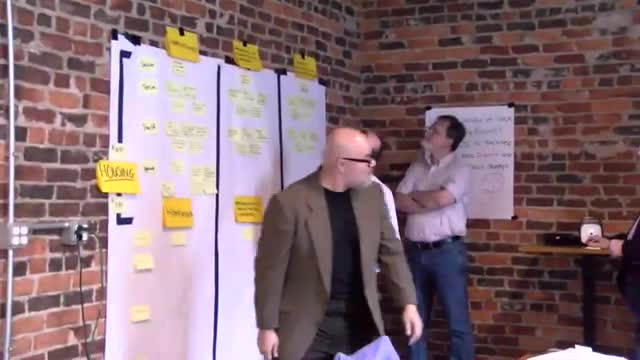
Summary
Councilors and staff identified regulatory delays, high construction costs and stacked requirements as key barriers to producing and preserving affordable housing and proposed streamlining approvals, building data capacity, and targeting preservation funding for 360 units at risk.
At the retreat, councilors and staff discussed production and preservation strategies to increase affordable housing supply and to slow the loss of existing units. Staff presented tensions that include regulatory requirements (stormwater, environment), high construction costs, and the cumulative effect of review requirements on small‑scale ‘‘missing middle’’ development. Councilors proposed several opportunities: streamlining the development review and permitting process for dense affordable projects; creating a one‑step or accelerated approval track for projects that deliver significant affordable units; and increasing in‑house data and analysis capacity to identify cost‑effective preservation strategies (for example, buying naturally occurring affordable housing where preservation costs less than new construction). One councilor quantified a possible preservation approach: preserving 360 units in the near term could cost about $30,000 per unit if $10,000,000 were focused on that goal, a figure participants said merits further analysis. Participants emphasized trade‑offs between encouraging market‑rate supply to widen the tax base and using scarce subsidy dollars to create or preserve deeply affordable units. Staff and councilors suggested partnering with community land trusts, housing authorities and nonprofit builders, and recommended more rigorous cost‑benefit studies to measure the impact of regulations on housing production. The retreat produced direction for staff to return with specific regulatory reforms and data‑driven options for preservation and production; no ordinance or final action was adopted at the session.