
Charlottesville council begins retreat with human-centered design framework
Get AI-powered insights, summaries, and transcripts
Subscribe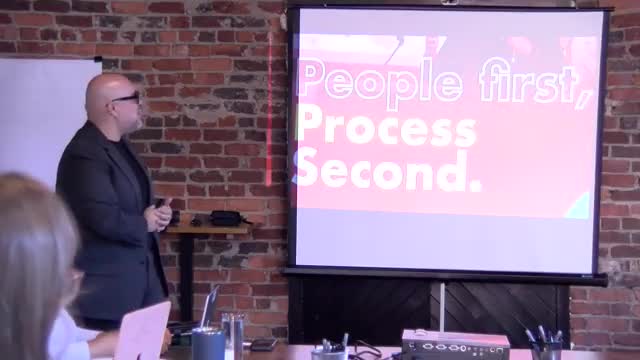
Summary
Council convened a two-day retreat on Aug. 15 to set direction for the city's strategic priorities, beginning with a human-centered design session led by an outside facilitator to focus council discussion on "people first, process second."
Charlottesville City Council opened a two-day retreat on Aug. 15 with a facilitated session on human-centered design aimed at shaping how the council sets direction and measures results. Facilitator Joshua (Parts Built team) told councilors the approach places “people first and process second” and stressed that the retreat's purpose was direction-setting, not final decision-making.
The retreat leader said the goal was to align council on the city's strategic priorities and to produce usable direction the city manager's office can carry into budgeting and implementation. The facilitator described human-centered design as a three-step cycle—understand, explore, materialize—and asked participants to prioritize understanding in day one so they could explore options on day two.
City staff and council members were present for presentations and small-group exercises that asked each member to record what they understood, respected and valued about the city's priorities. Facilitators explained the sessions' role as building a shared "toolbox" of understanding that councilors would use later to develop concrete options. Sam (city official referenced in the meeting) framed the retreat as a chance to "set the bookends" for strategy and measurement, and said council's role was to define where the city is going while the city manager's office leads strategy and execution.
Facilitators warned participants they would be asked to decide quickly on some items during exercises and to bring organized notes back for day two. The retreat agenda focused on reviewing the council's nine strategic outcome areas and three top priorities identified by staff as housing, transportation and education.
Council recessed for the day after the sessions and was scheduled to continue the retreat the following day to turn the first day's understanding into possible directions for the city manager's office to pursue.