
Morgantown council approves participation in new national opioid settlement; city to receive small direct allocation, larger funds available via WV First
Get AI-powered insights, summaries, and transcripts
Subscribe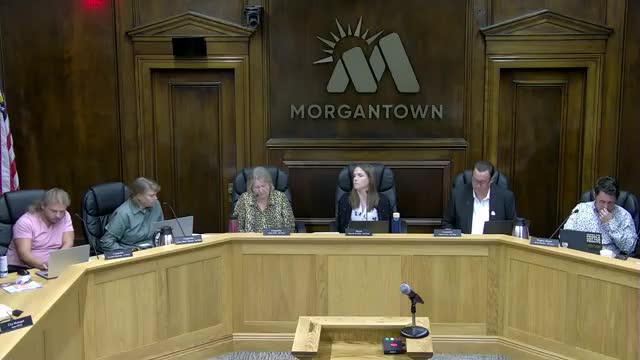
Summary
Morgantown voted unanimously to participate in a new national settlement with Purdue Pharma and the Sackler family; the city’s direct share is modest but nonprofits and projects can apply to the West Virginia First Foundation, which will administer the bulk of state funds.
Morgantown City Council voted 7‑0 on Aug. 26 to approve a resolution authorizing the city to participate in a new national opioid‑settlement plan tied to Purdue Pharma’s bankruptcy and the Sackler family settlement.
City staff said the settlement will be implemented under the state’s existing memorandum of understanding and that West Virginia expects to receive roughly $53 million over nine years as part of the broader resolution. The city’s direct allocation under the plan was estimated during the meeting at about $65,000 over nine years.
Jamie Miller (city staff) summarized the allocation structure and noted that approximately 24.5% of settlement funds are earmarked for direct allocation to local governments (municipalities and counties), while the remainder will be administered by the West Virginia First Foundation. John Ferguson, Morgantown’s finance director, encouraged local nonprofits and service providers to apply directly to West Virginia First for grants. “That’s the part that gets me excited,” Ferguson said, noting the foundation’s role in evidence‑based distribution and that municipalities need not act as intermediaries for organizations seeking that money.
Ferguson also reported two earlier direct payments the city has already received under prior settlement distributions: a check for $90,833.89 dated Dec. 18, 2023, and a second check for $30,810.07 dated Jan. 9, 2025. He said the city plans to allocate 100% of the funds it has already received in the Fiscal Year 2026 budget to Catholic Charities for the warming shelter project.
Why it matters: While Morgantown’s direct share is relatively small, staff emphasized the larger opportunity: the majority of state settlement funds will be available through competitive grants managed by West Virginia First and could fund prevention, treatment and recovery programs in the region.
Ending: The council approved participation without further debate; staff advised nonprofits to pursue WV First Foundation grants directly and said the city will continue to coordinate with state officials and local providers.