
Council adopts overhaul of code enforcement appeals, shifts many appeals to hearing examiner
Get AI-powered insights, summaries, and transcripts
Subscribe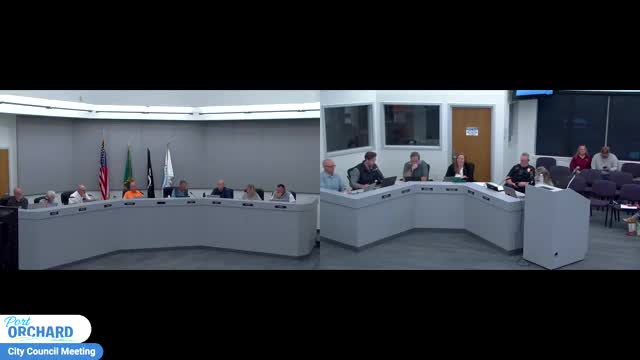
Summary
The council unanimously adopted an omnibus ordinance repealing and replacing Chapter 2.64 of the Port Orchard Municipal Code to expand enforcement tools, clarify abatement processes and route many administrative appeals to a contracted hearing examiner rather than the city council.
The Port Orchard City Council unanimously adopted an omnibus ordinance that repeals and replaces Chapter 2.64 of the Port Orchard Municipal Code and amends related sections to update the city's code enforcement and appellate procedures. The ordinance moves many administrative appeals from the city council to the contracted hearing examiner and broadens tools available to the code enforcement officer.
City attorney Ms. Archer said the changes follow an internal audit of enforcement tools and aim to harmonize Chapter 2.64 with the hearing examiner chapter and other relevant code sections. "A big component of this ordinance would, amends a number of these sections to streamline the appellate procedures so that appeals will now go to the hearing examiner rather than to the city council," Archer said, noting the goals were clarity, transparency and effective due process.
Staff highlighted several practical reasons for the change: when a legislative body sits in an appellate/quasi-judicial capacity, members face appearance-of-fairness constraints that limit informal constituent communication and can politicize what are effectively administrative decisions. The city’s hearing examiner under contract, attorney Phil Olbrex, will hear most appeals; Judge Drury will continue to serve in the abatement/dangerous building role where that function applies.
Councilmembers asked about retroactivity, timelines and why the hearing examiner was chosen over using the municipal judge. Ms. Archer said the ordinance is not retroactive and would take effect five days after publication. She explained the municipal judge typically handles criminal and municipal-court matters and is not necessarily a land-use specialist; the hearing examiner role is usually filled by lawyers with land-use and building-code expertise. Council discussion noted a balance between cost, expertise and insurance recommendations favoring an independent hearing examiner.
Councilmember Diener praised the ordinance as a "generational leap" for code enforcement effectiveness. The council voted to adopt the ordinance as presented; staff said the changes should speed administrative appeals and reduce politicization of technical land-use decisions.