
Wisconsin PSC approves final BEAD proposal, directs staff to submit to NTIA amid federal rule changes
Get AI-powered insights, summaries, and transcripts
Subscribe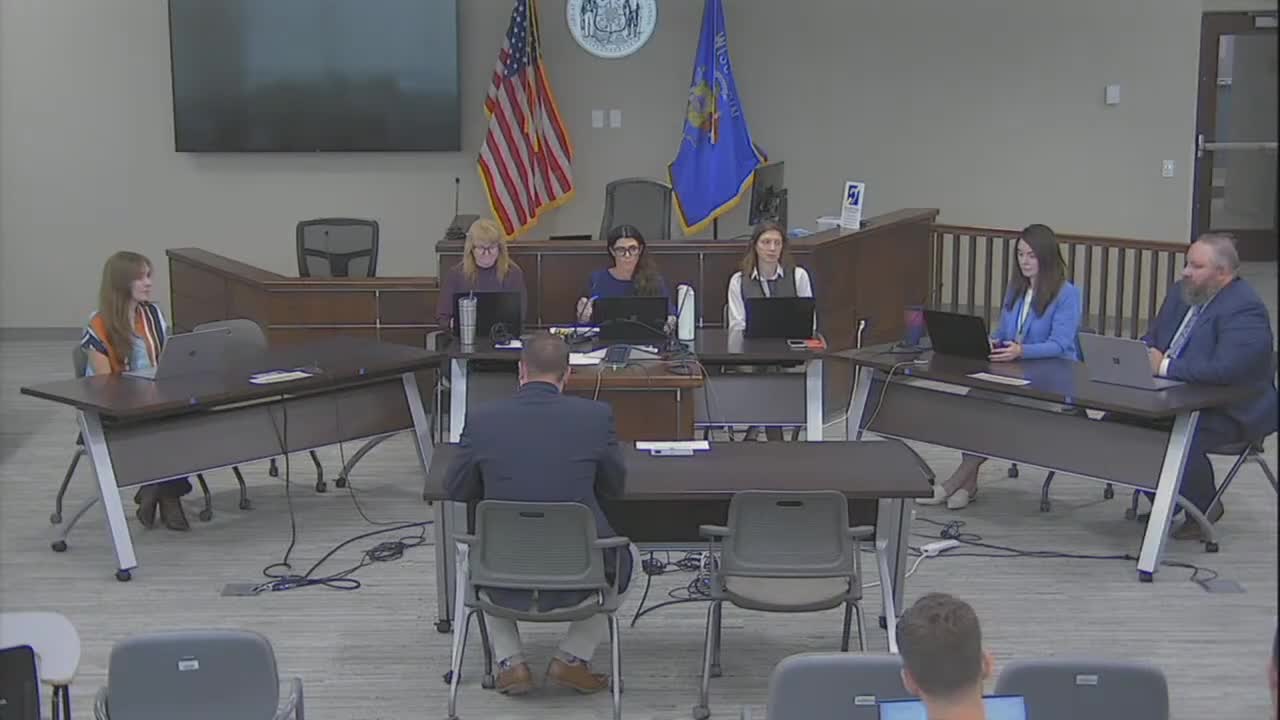
Summary
The Public Service Commission of Wisconsin on Sept. 3 approved the state’s final proposal for the federal Broadband Equity, Access, and Deployment (BEAD) program and directed staff to finalize and submit the application to the National Telecommunications and Information Administration (NTIA).
The Public Service Commission of Wisconsin on Sept. 3 approved the state’s final proposal for the federal Broadband Equity, Access, and Deployment (BEAD) program and directed staff to finalize and submit the application to the National Telecommunications and Information Administration (NTIA), including making modifications necessary to gain NTIA approval. Chairperson Strand said the submission must be completed to preserve the state’s opportunity for BEAD funding.
Why it matters: The commission’s action preserves Wisconsin’s chance to receive federal BEAD funds but follows NTIA policy changes issued June 6 that commissioners said substantially altered the program’s priorities and narrowed local control and affordability protections that the state previously emphasized.
The commission approved docket 5 BD 20 25 and authorized staff to finish and file the final BEAD proposal with NTIA, giving staff flexibility to make changes NTIA requires. "We don't have a choice in the matter, and this is the best possible way to move forward," Chairperson Strand said, summarizing the commission’s position that compliance with NTIA guidance was necessary to retain federal funding.
In remarks to the commission, Strand reviewed the multi‑year state effort to design Wisconsin’s BEAD program. She said the commission and staff conducted extensive outreach from October 2022 through June 2025, including more than 300 municipal meetings and consultations with tribal nations, and that the commission previously approved two volumes of the state BEAD plan that NTIA had signed off on in 2024. She thanked the Public Service Commission broadband team, local governments, tribal governments, nonprofits and internet service providers for their participation.
Strand said the NTIA restructuring notice issued June 6 required Wisconsin to rescind preliminary awards, retool scoring and eligibility rules, reopen parts of the application process, and submit a revised proposal within 90 days. She said the compressed timeline meant staff had to complete rescissions, a revised letter of intent process, updated location data, a public comment period, and new preliminary awards in roughly three months ahead of the NTIA deadline.
Commissioners flagged several specific impacts of the June NTIA guidance, as described by Strand: the federal changes removed Wisconsin’s preference for fiber technology and forced a technology‑neutral approach that she said shifts some awards toward fixed wireless and satellite; they removed a state affordability requirement that had targeted low‑cost service at $40 per month; and they eliminated local endorsements and local coordination as award factors. Strand said those changes reduced the number of locations that would receive fiber under Wisconsin’s awards from the roughly 190,000 projected under the state’s original plan to about 130,000 in the revised results, and that the revised technology breakdown in preliminary awards is about 73.5% fiber, 13.3% fixed wireless and 13.2% satellite.
Strand also said the state received strong participation in the subgrantee process: the commission’s letter‑of‑intent round produced 35 letters with 30 approved; round 1 drew 425 ISP applications proposing service to about 95% of BEAD‑eligible locations; round 2 produced 259 new or amended applications and, combined with preliminary awards, would have reached about 98% of eligible locations. Strand said the planned awards from rounds 1 and 2 would have served about 93% of eligible locations at an average construction cost the commission recorded as about $5,004 per location.
Commissioners expressed concern about outstanding questions the NTIA guidance left in place, including the status of non‑deployment funding that Congress authorized in the Infrastructure Investment and Jobs Act (IIJA) and the federal Affordable Connectivity Program (ACP), which Strand said had expired and exacerbates affordability problems. Strand warned of workforce and implementation risks, saying non‑deployment funds and workforce training are essential to meet deployment timelines and to ensure safe, timely construction toward the 2030 goals.
Commissioner Hawkins echoed Strand’s mix of “frustration, optimism, and admiration” for staff and said she supported the motion to approve and submit the final proposal. Another commissioner moved the motion; Hawkins seconded. Chairperson Strand and Commissioner Hawkins verbally recorded “Aye” on the final voice vote, and the motion was approved.
The commission’s action directs staff to complete and submit Wisconsin’s final BEAD proposal to NTIA and to make any modifications necessary to secure NTIA approval. The ultimate distribution of federal funds and the final mix of technologies deployed will depend on NTIA review, any further guidance on non‑deployment funds, and subgrantee performance.