
Former Space Command deputy and panelists tell Senate cislunar domain awareness, communications and a unified strategy are urgent national-security priorities
Get AI-powered insights, summaries, and transcripts
Subscribe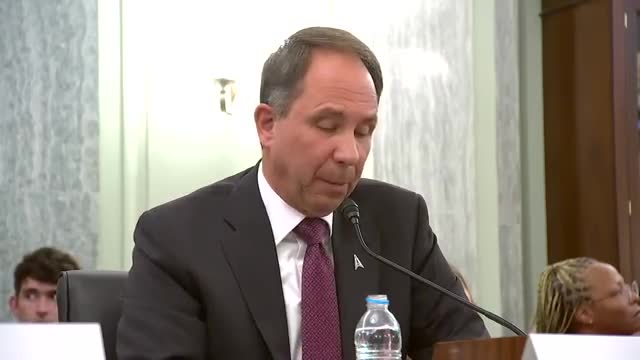
Summary
Military and industry witnesses urged a unified U.S. grand space strategy, improved cislunar domain awareness and resilient communications to deter and monitor rival activity, noting recent Chinese maneuvers and the dual-use nature of many space technologies.
National-security implications of China's expanding space activity dominated a portion of the Senate Commerce Committee hearing. Lieutenant General John Shaw (ret.), former deputy commander of U.S. Space Command, urged a "unified grand space strategy" that synchronizes civil, commercial and defense activities across the Earth–Moon system. "If we do not unify and synchronize our efforts, we will find ourselves ... in a position of increasing disadvantage," he said.
Recent activity and risk: Shaw cited open-source reports of recent Chinese docking and apparent fuel-transfer operations in geosynchronous orbit, followed by a large maneuver said to be "likely in excess of 330 meters per second," and warned these are examples of logistics and refueling capabilities that can change operational dynamics in space. Witnesses repeatedly described cislunar communications architecture and domain awareness as necessary to sustain human presence on the moon and to detect and respond to potential threats.
Dual-use capabilities and coordination: Panel members emphasized that many civil technologies have dual-use implications for national security and urged closer coordination between NASA, the Department of Defense and the Space Force. Shaw and other witnesses suggested the Department of Defense should be part of developing cislunar awareness capabilities because they will be needed for national security as well as safe human exploration.
Policy implications: Senators asked for classified and unclassified briefings on threat assessments and requested follow-up material; the hearing did not change statute or policy but signaled bipartisan concern about the pace and coordination of U.S. efforts to match adversary investments.
Ending: Witnesses called for rapid development of cislunar domain-awareness tools, resilient communications, and a national strategy that aligns civil, commercial and defense investments.