
Senate panel highlights microgravity biotech gains and warns of risks in the ISS-to-commercial-LEO transition
Get AI-powered insights, summaries, and transcripts
Subscribe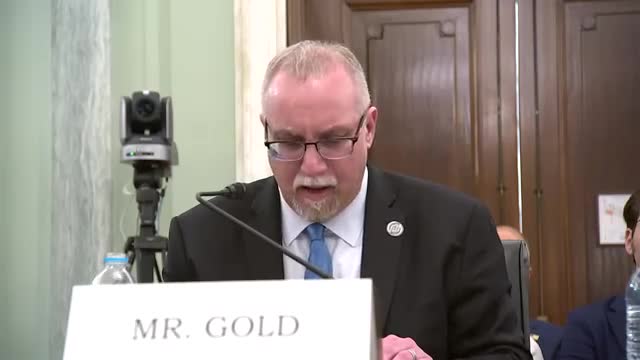
Summary
Industry witnesses described microgravity breakthroughs (3D-printed tissue, improved drug crystals) and urged timely NASA investment in commercial low Earth orbit destinations to avoid a gap when the International Space Station retires; they raised workforce and small-supplier risks tied to budget uncertainty.
Commercial and former NASA leaders told the Senate Commerce Committee that microgravity manufacturing and research on the International Space Station (ISS) are producing potentially transformative products and that a timely commercial transition is essential.
What witnesses said about microgravity research: Michael Gold described Redwire's work on the ISS, saying, "using our biofabrication facility on the International Space Station, we have printed the first ever human meniscus in space." He and Jim Bridenstine discussed experiments that grew larger, more uniform drug crystals and that could enable improved pharmaceuticals. Gold said Redwire's "pillbox system" has flown 32 times and that regenerative medicine and microgravity manufacturing could produce benefits such as organ printing and improved drugs.
Commercial LEO and station transition concerns: Witnesses warned the committee that NASA's phase-2 commercial low Earth orbit (LEO) procurement should support multiple providers to ensure redundancy and competition. Bridenstine and others stressed the need to avoid a gap between the ISS and commercial stations; Bridenstine said losing a permanent human presence in LEO would risk shifting capabilities to foreign competitors. Michael Gold warned of a possible reduction in U.S. ISS crew numbers if funding or policy choices reduce U.S. presence.
Supply-chain and small-business details: Alan Cutler told the committee that the Artemis program relies on "2,700 suppliers," stressing that small businesses are central to manufacturing mission hardware and are vulnerable to funding instability. Senators asked witnesses about ways to improve small-business participation and to stabilize procurement and regulatory processes.
Ending: Committee members sought written follow-up and materials on how to maintain the workforce and supplier base while ensuring timely commercial LEO station development.