
PSC approves WPL community solar expansion with LMI and homebuyer carve-outs, 12-month reservation
Get AI-powered insights, summaries, and transcripts
Subscribe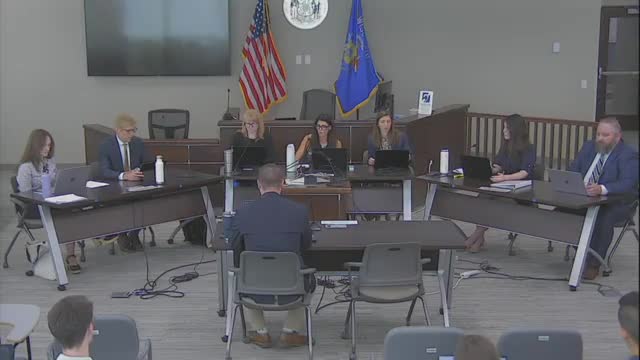
Summary
The Public Service Commission approved Wisconsin Power and Light’s revised community solar tariff to reserve capacity for first-time homebuyers and low- and moderate-income customers, extend reservation windows to 12 months, and require specific outreach language; the commission kept existing deposit and fee rules but left pilot status unchanged.
The Public Service Commission of Wisconsin on Aug. 28 approved modifications to Wisconsin Power and Light Company’s community solar pilot tariff that reserve blocks of capacity for first-time homebuyers and low- and moderate‑income (LMI) customers, require initial outreach language about solar variability, and lengthen the reservation period for reserved blocks from six months to 12 months. The commission voted unanimously to approve the application with those conditions. The changes respond to a commission condition from WPL’s previous rate case (docket 6680-UR-124) that required WPL to file a TE docket expanding access to LMI customers by Dec. 31, 2024. Chairperson Summer Strand told commissioners the filing was responsive to that directive and that the revised tariff “is substantive and responsive to the commission’s directive in their previous rate case.” Commission staff and intervenors had flagged five areas for possible modification — eligibility, deposits and fees, unsubscribed blocks, outreach, and pilot status/duration. The approved changes include: reserving capacity for first‑time homebuyers equal to the greater of 5% of available subscription blocks or 50 kilowatts; reserving capacity for LMI customers equal to the greater of 25% of available subscription blocks or 250 kilowatts; expanding LMI eligibility beyond a single program to include recipients of Keep Wisconsin Warm and Cool Fund, Heat for Heroes, and Focus on Energy’s income‑qualified rebates; requiring WPL to include specified language about production variability and bill impacts in initial outreach materials; and extending the reservation window to 12 months to improve enrollment opportunities. The commission kept the existing upfront payment requirements — a $25 nonrefundable administrative charge and a 10% upfront subscription payment — and declined to require a mandatory payment plan at this time, citing insufficient data on whether those fees represent a firm barrier to LMI enrollment. Commission staff had proposed reporting at three and six months on reservations; commissioners rejected mandatory 3‑ and 6‑month reporting but approved the longer reservation window and retained staff’s ability to request data through data requests or future proceedings. Commissioners said maintaining pilot status allows the commission to revisit program features in a future rate case or docket rather than making the program permanent immediately. Chairperson Strand said she was "comfortable with WP&L’s request as filed and could support it without modifications," but recommended the limited set of additional conditions as an improvement. The Citizens Utility Board and other intervenors urged expanded access and longer enrollment windows during the record; Commissioner Hawkins said she found CUB’s arguments strong in favor of extending the reservation period. The commission adopted the motion to approve the tariff changes consistent with the discussion and conditions and recorded an affirmative unanimous vote. Details clarified in the record: WPL’s last rate case raised the program cap for community solar from 6 megawatts to 10 megawatts and allowed single solar additions up to 5 megawatts (previously 1 megawatt). The approved carve-outs are limited to capacities specified above and reserved only for six to 12 months (the commission adopted 12 months for reserves). The commission left the pilot designation in place and said WPL may petition later to remove pilot status. Commissioners said they expect WPL to continue outreach partnerships with community organizations and lenders or nonprofits that may front upfront deposits for eligible customers, but the commission did not impose a payment‑plan requirement at this time. The commission’s decision does not itself appropriate funds or change state assistance programs; it modifies program rules WPL will implement under its tariff.