
Experts tell Senate Gateway is critical to extend lunar missions and project U.S. influence in cislunar space
Get AI-powered insights, summaries, and transcripts
Subscribe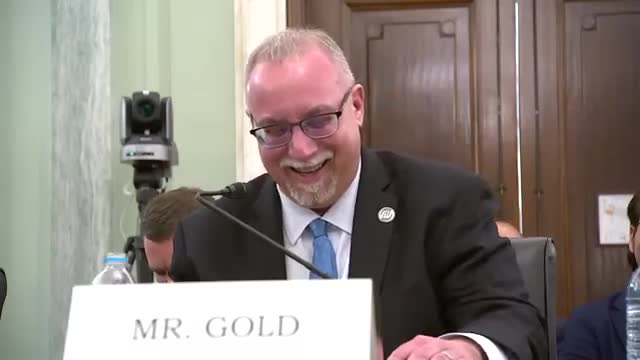
Summary
Witnesses told the Senate Commerce Committee the Gateway station and cislunar infrastructure are central to prolonged lunar surface operations, international partnerships, and the ability to monitor rival activity in lunar space.
Witnesses at the Senate Commerce Committee hearing described the Gateway lunar station and related cislunar infrastructure as key to sustained U.S. operations around the moon and to preserving influence over lunar activities. "Without Gateway, lunar surface activities will be limited to 5 to 7 days," Michael Gold said, adding that "with Gateway and full commercial logistics services, the Artemis program can support lunar surface operations for 60 to 90 days." Jim Bridenstine and other witnesses argued the Gateway enables longer missions, heavy-equipment delivery and better allied participation.
International and budget facts: Gold said more than 60% of Gateway's costs are being borne by international partners and that continued U.S. commitment would unlock further international investment. He and Cutler described Gateway equipment like the power and propulsion element's rollout solar arrays as major technical achievements now being tested in space.
Strategic context: Witnesses also framed Gateway as a platform that "will inherently allow America and its partners to monitor Chinese activities" in cislunar space, making it a security as well as exploration asset. Lieutenant General John Shaw and other panelists said cislunar communications and domain awareness are necessary complements to Gateway and argued for a coordinated national approach.
Discussion vs. action: The hearing was a policy and oversight discussion; no new statutory language was enacted. Senators asked witnesses how to ensure program continuity and how to attract commercial partners to plug into an 'open architecture' Gateway.
Ending: Witnesses urged prompt, sustained congressional support for Gateway to avoid wasting current international investments and to preserve options for extended lunar exploration and resource utilization.