School board asks superintendent to study ACE learning‑lab pilot for Carissa Plains
Summary
After a lengthy study-session presentation and community input, the Atascadero Unified School District board voted to direct the superintendent to gather more information about a proposed ACE (independent study) learning lab at Carissa Plains, including staffing, transportation, and student eligibility questions.
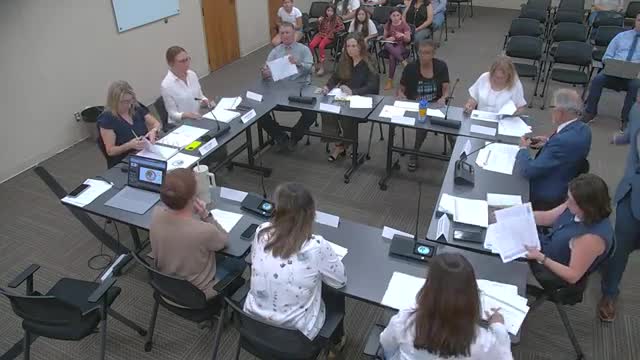
The Atascadero Unified School District Board of Trustees voted Tuesday to ask Superintendent Tom Bennett to collect additional information about a proposal to operate an ACE (independent‑study) learning lab at Carissa Plains School and return with specifics for a possible pilot. The direction followed a detailed presentation about program options, financial constraints and parental concerns from Bennett and district staff.
Trustees said they needed more detail on the number of students likely to enroll, staff duties and cadence of on‑site days before approving a pilot. The board’s request—moved and seconded during the meeting—passed on a roll‑call vote with every trustee recorded as in favor.
Bennett opened the discussion by outlining three existing options for middle‑grade students: attend Atascadero Middle School, enroll at the Fine Arts Academy in town, or take the district’s ACE independent‑study program from home. He said families in Carissa Plains had expressed worry about long bus rides into town and limited socialization options, and asked whether the district could “support our middle school families that are living in Carissa Plains” by offering ACE in a supervised, on‑site form.
District staff presented a model in which Carissa Plains would host a satellite ACE learning lab on the existing campus. In the draft schedule, students would be on campus between approximately 8:20 a.m. and 12:45 p.m., with online ACE coursework in two subject blocks separated by recess and a lunch period; families would pick students up at 12:45 p.m. Electives and additional enrichment would be provided by parents or coordinated with town programs, the district said.
Staff emphasized constraints: Carissa Plains currently serves about 18 enrolled students and maintains two credentialed teachers and two instructional aides, producing a roughly 4.5:1 student‑to‑adult ratio. A separate file search showed six students living inside the Carissa Plains boundary were currently attending in‑town middle schools and academies. The district’s finance director, Kendall, told trustees that Carissa Plains qualifies for specific state funding streams (including an equity multiplier and Title I), but that overall the district is running a structural deficit in its unrestricted funds and must be cautious about adding new recurring costs.
School leaders said the ACE learning lab would rely primarily on the ACE online curriculum and an ACE teacher of record who would remain district‑based; on‑site Carissa Plains staff would provide supervision, behavioral supports and practical help when students needed assistance. Staff stressed the proposal would not require hiring new classroom staff but would use existing Carissa Plains personnel within current staffing levels. The proposal also would include an application and screening process for students, and an expectation that students accepted into the learning lab meet behavioral and academic progress standards.
Trustees asked detailed operational questions: whether middle‑grade students could be safely integrated with younger grades for recess and lunch; who would be the teacher of record; whether students could attend the lab fewer than five days per week; and whether prospective staff had been consulted. District leaders said some of those operational details remain to be worked out and recommended a period of family and staff engagement before any pilot begins.
After about two hours of detailed discussion and questions from trustees and staff, the board approved a motion directing the superintendent to gather answers to the outstanding questions, engage families and staff, and return with a proposal. The board did not approve a pilot on Tuesday; the vote authorized additional study and information collection only.
Trustees and staff said they plan to return the item to the board after community outreach and after staff have developed clear operational parameters, eligibility criteria, staffing responsibilities and data‑collection plans so the board can consider a narrowly defined pilot rather than an open, on‑demand program.
Ending: Trustees and district staff set next steps: superintendent Bennett will conduct parent and staff outreach, develop candidate screening and enrollment rules, and provide clarifying fiscal and programmatic detail at a future meeting for board consideration.