
Suwannee County sets solid-waste assessment at $2.50 per household for 2025–26; board to supplement cost from general fund
Get AI-powered insights, summaries, and transcripts
Subscribe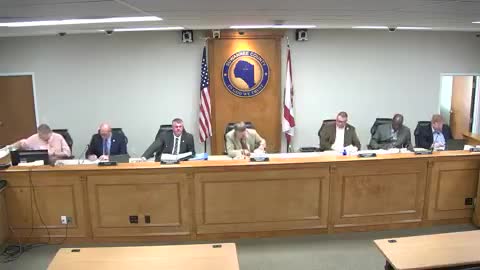
Summary
After public comment and discussion, the Suwannee County Board approved a smaller increase than staff recommended for the solid-waste assessment, setting the fee at $2.50 per household and using general revenue to cover part of the cost.
The Suwannee County Board of County Commissioners on Sept. 2 adopted a final rate for the county solid-waste assessment at $2.50 per household for fiscal year 2025–26, a compromise below staff’s recommended $2.65. County staff had explained the proposed increase was intended to move the assessment closer to actual service costs after years of inflation; the request represented a planned increase from $2.35 to $2.65 per household. The board voted 5–0 to approve a $2.50 rate and directed that the county general fund make up the remaining shortfall.
County staff said the assessment is intended to cover the rising cost of hauling and disposal; Suwannee County hauls collection-site garbage to a transfer station and then ships it by semi to a landfill out of county. Commissioner White explained the subsidy effect: "We were subsidizing it for a half a million a year, and this would bring it down to 240,000 a year out of the county general revenue finance to the garbage," he said. Commissioner Perkins moved to set the rate at $2.50 and use general revenue to cover the remainder; Commissioner Mobley seconded. The motion passed unanimously.
Public comment included residents who urged the county to absorb some of the cost rather than pass the full increase to households. County staff and commissioners discussed past negotiations around solid-waste contracts and the practical limits on local landfill options; one commissioner reviewed the history of attempts to lower the proposed assessments in prior public meetings.
Why it matters: the fee is billed to households and is part of a multi-year effort to align user assessments with the true cost of waste collection and disposal. The board’s decision reduces the immediate assessment impact on households while increasing the county general-fund contribution to solid-waste operations. Staff said the solid-waste contract with the current provider expires within a year and the county is seeking longer-term options to reduce future assessments.
Next steps: staff will implement the $2.50 assessment and prepare budget materials showing the planned subsidy from general revenue; commissioners said they will continue to explore long-term solutions, including procurement alternatives once the current contract expires.