County hears $2 million estimate, two-year timeline for proposed U.S. 287 weigh station
Loading...
Summary
Consultants outlined a conceptual plan for a new commercial vehicle weigh station near U.S. 287 and Burnett Ranch Road, describing site utilities, inspection pits and a phased build that could begin in fiscal 2027 and take about two years from notice to open.
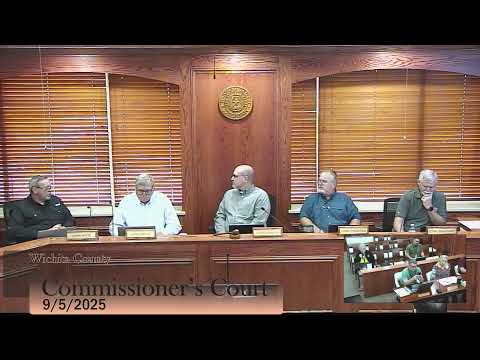
At a Sept. 5 Wichita County Commissioners Court meeting, consultants from Boyd PLLC presented a conceptual plan and budgetary estimate for a proposed weigh station near U.S. 287 and Burnett Ranch Road. The court heard details about site layout, utilities, inspection facilities and staging options intended to allow the county to decide whether to advance design work.
The consultant, Blaine Boswell of Cornette, Probes and Boyd PLLC, said the conservative, high-end budget estimate runs in the low millions and that construction could be phased so the county spreads costs over multiple fiscal years. Boswell said the team envisions beginning site work and utilities in an initial phase and completing buildings and finish work in a later phase. He estimated about two years from notice to proceed to doors open if the county proceeded with design and construction together.
Why it matters: County officials said the weigh station could improve roadway safety, reduce overweight-damage to local roads and produce enforcement and citation activity that can generate revenue. Commissioners and county staff raised questions about likely utilization, operating commitments from the Texas Department of Public Safety (DPS) and whether state partners would provide equipment or other support.
Key details presented - Site: southeast corner of the frontage road at U.S. 287 and Burnett Ranch Road; proposed site requires utility crossings beneath U.S. 287. - Utilities: electricity service expected to be provided by nearby lines; water and sewer would require extending service or rely on a septic system at the site. Boswell described the likely need to bore conduit under U.S. 287 to bring power and water lines to the site because of Texas Department of Transportation (TxDOT) right-of-way constraints. - Buildings and inspection facilities: a scale house and a large inspection bay (presenter cited a 48-by-110-foot building) with two lanes, an inspection pit approximately 5 to 5.5 feet deep, inspection lighting and a sump and pump system. The design includes open short walls at the east and west ends and structural allowance for future enclosure. - Site construction: heavy-use areas would be built with about 12 inches of gravel over geofabric to support truck traffic and turning movements. - Budget approach: the consultant recommended a conservative estimate with a 25% contingency and line items for surveying, engineering, architectural fees, construction administration and materials testing. A modular office had been discussed earlier; the current presentation assumes a ground-up build but suggests phasing to reduce immediate capital needs.
Questions and county concerns Commissioners and staff pressed for clarity on operating commitments from DPS and the frequency of DPS staffing. Boswell said DPS would not pay for permanent buildings but could purchase equipment that improves the site at the county’s request; DPS can provide civilian staff to assist the trooper, and the consultant reported DPS interest in providing more weights-and-measures capacity at the facility if the site is built. Court members also asked about potential TxDOT safety or roadway grants and whether TxDOT could contribute to site access work; Boswell said TxDOT representatives had met with the project team and that pursuit of safety or roadway funding was a reasonable next step.
Operational and revenue context Court members referred to a comparable facility near Colorado City that reportedly produces substantial enforcement revenue and to the fact that truck citations can be substantially larger than passenger-vehicle fines. However, several court members stressed that revenue depends on steady operation and staffing; periods when the facility is closed or not staffed would reduce receipts. County officials discussed starting with a basic open inspection and scale area to begin operations quickly and adding buildings and amenities later as revenue and operations justify expansion.
What the court directed next No formal motion or vote occurred at the Sept. 5 meeting. Commissioners asked staff and the consultant to continue refinement of the scope, pursue potential grant or TxDOT funding opportunities, and explore DPS commitments for staffing and equipment purchases. The presentation was accepted for consideration and will return as a future agenda item if the court chooses to create a funding plan or authorize design work.
Ending: The court did not adopt a project budget or authorization on Sept. 5; the consultants advised the court that phasing and pursuing state or partner funds could reduce initial county capital needs and recommended further study and coordination with TxDOT and DPS before committing to construction.