Get Full Government Meeting Transcripts, Videos, & Alerts Forever!
Get email alerts on the Nonprofit Funding topic
No spam. Unsubscribe anytime.
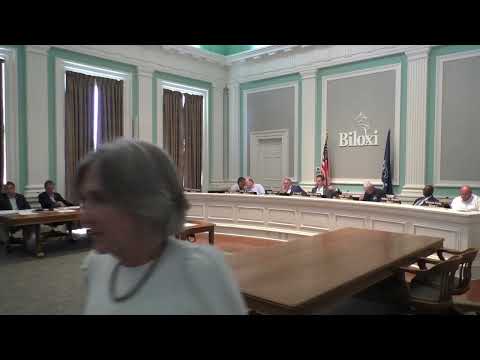
Biloxi council restores some nonprofit allocations, increases two community grants to $20,000
Summary
During budget revisions the council restored funding for several community nonprofits and voted to raise two smaller grants—Salvation Army rec-center scholarships and a workforce-development program—to $20,000 each; other service agencies saw mixed adjustments.
Biloxi City Council members discussed funding requests from several community nonprofits during the budget workshop and approved adjustments to some line items. The council agreed to raise two specific local allocations—the Salvation Army scholarship support for youth programming in East Biloxi and a workforce-development program—to $20,000 each. The council also discussed support levels for CASA (Court Appointed Special Advocate) and several victim-service and family-support agencies.
Several nonprofit representatives spoke during the public-comment period and workshop. Susan Gomer Jones, director of the Women’s Resource Center, described the center’s services and said it receives no federal or state funding, relying on city, casino and private support; she asked the council to consider the center’s continued funding. A CASA representative described the group’s volunteer advocacy for children in youth court and urged support; councilmembers reached consensus to increase CASA funding to $20,000 in the revised package.
Council action: Members said they would bring the Salvation Army and the workforce-development group up to $20,000 each after several councilmembers expressed concern about cuts that would reduce scholarships and neighborhood services. For a broader set of victim-service and family-support providers, councilmembers agreed on varying amounts: the workshop discussion settled most of the groups at $16,200 (or similar reduced amounts) except where the council recorded specific increases.
Why it matters: The nonprofits provide recreation, workforce training, child advocacy and supportive services for Biloxi residents—programs council members said reduce long-term costs by preventing more intensive interventions later. Councilmembers argued these allocations are small relative to broader budget figures but have outsized community impact.
Next steps: The administration will reflect the revised nonprofit allocations in the clean budget copy to be presented at the September meeting for formal adoption.