
Council discusses Shuckers stadium maintenance costs, questions return on investment as repairs approved
Get AI-powered insights, summaries, and transcripts
Subscribe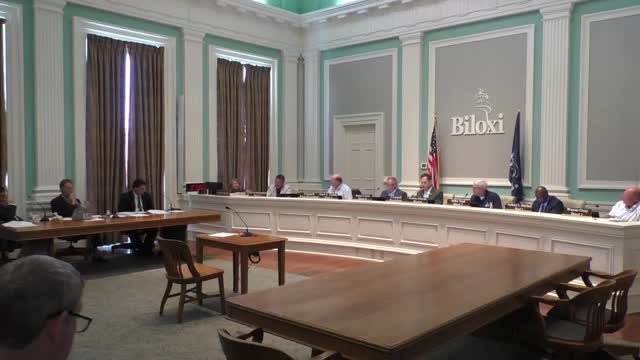
Summary
Councilmembers debated stadium maintenance spending and revenue prospects after staff sought funding for repairs at Shucker Stadium; the council approved maintenance expenditures but several members expressed concern about long-term costs and revenue-generation opportunities.
The Biloxi City Council discussed and approved stadium maintenance funding for Shucker Stadium during the Aug. 26 meeting, while several councilmembers questioned the facility's long-term financial return and sought ways to boost off-season revenue.
Why it matters: Shucker Stadium is a municipally owned facility subject to maintenance obligations; council discussion focused on near-term repair costs and whether the city is capturing sufficient revenue or branding value to offset ongoing expenditures.
What the council approved. Councilmembers reviewed line items for capital maintenance and repair at Shucker Stadium, including HVAC and safety-related netting that the transcript shows were required by Major League Baseball standards. Staff described a series of maintenance requests and associated bids; council approved expenditures on the consent/routine agenda with no recorded opposition. (Items for stadium maintenance and netting were discussed during the consent and routine agenda items.)
Council debate. Several councilmembers said the stadium is an important city amenity that generates hotel and retail activity when events occur, while others said the city is "losing money" on the facility and asked for renewed efforts to increase revenue from concerts and off-season uses. Councilmember Shoemaker said the city must explore ways to increase revenue and noted fixed contractual commitments limit flexibility; another councilmember said attendance averages about 2,000 per game and called the team a positive brand for Biloxi.
Funding mechanics. Councilmembers discussed the stadium cost-sharing arrangement: the stadium partner contributes toward maintenance up to a cap each year (the transcript references a $50,000 threshold in scheduling of contributions), after which the city covers remaining costs. Council members noted some sponsorship and federal support (Keesler Federal sponsorship cited) contribute to annual revenue. Staff said some maintenance contracts are owned by the city and will continue as facility obligations.
What was not decided. The council held no formal vote to renegotiate major league or management contracts at this meeting; council discussion focused on approving maintenance items and identifying opportunities to pursue additional revenue in the future.