Get Full Government Meeting Transcripts, Videos, & Alerts Forever!
Get email alerts on the Public Safety topic
No spam. Unsubscribe anytime.
Biloxi leaders cite public-safety, mental-health concerns as homeless encampments affect parks
Summary
Council members and the police chief described increasing reports of people sleeping in parks and along boardwalks; officials discussed stepped-up patrols, outreach through Mercy Cross Center and the need to address mental-health related needs separate from enforcement.
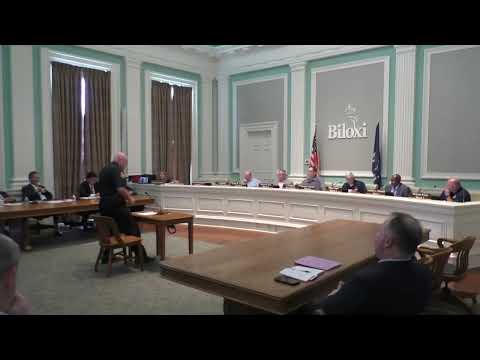
City leaders at the Biloxi City Council meeting described recurring incidents of people sleeping in public parks and under boardwalks, and discussed a mix of increased patrol activity, outreach and longer-term mental-health responses.
Councilman Gray raised complaints from parents and residents that playgrounds and boardwalks have become places where people sleep during the day and at night, and asked whether the city could work with Police Chief Miller on ordinances or other actions to restore safe, family use of parks.
Chief Miller told the council officers had increased patrols and were practicing community policing in the affected areas. He described intervening in one case and helping connect an individual to a family member; he said officers try to avoid confrontation while maintaining public safety.
Several council members and the mayor discussed local shelter and service capacity. The mayor said Mercy Cross Center has relocated roughly 136 people into a daytime program or facility and that medical and psychiatric services are being offered to participants there. He emphasized that officials see the issue as tied to mental-health needs, not solely homelessness: city leadership said they want to link people to treatment and permanent solutions while also protecting public safety and park access.
Council members asked staff to continue coordinating with the police chief, local service providers and the county to pursue both short-term enforcement options and longer-term housing and mental-health pathways. No ordinance was introduced or adopted at the meeting; council members described the next steps as continued coordination among law enforcement, social-service providers and county partners.