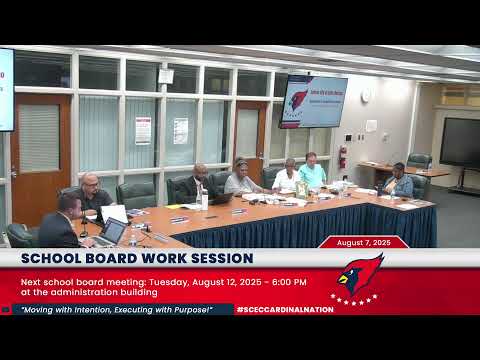
School City of Chicago board reviews employee handbook, timekeeping and reporting rules
Loading...
Summary
Trustees and staff discussed proposed changes to the employee handbook covering arrests/convictions reporting, workplace misconduct, timekeeping and a new timekeeping and staff‑accountability policy including language about 'ghost payroll.' No formal vote occurred at the work session.
Trustees and district leaders spent a substantial portion of a public work session reviewing the School City of Chicago employee handbook and proposed timekeeping and accountability policy, focusing on how staff must report arrests or convictions and how the district will address timekeeping abuses. The board discussed whether reporting of arrests should go to the superintendent or remain at the building level, how quickly staff must report, and whether certain offenses should be categorized as immediate-termination offenses.
Board members said the reporting language matters because past incidents led to confusion about who should be notified. Attorney Nicholas Snow advised the board that two business days is a practicable reporting window and that concealing an arrest could fall under the handbook’s gross‑misconduct provisions. Snow also recommended that reporting be centralized (to the superintendent or the superintendent’s designee) to avoid delays or miscommunication.
Trustees discussed other handbook topics: whether to codify specific offenses that warrant immediate termination (a format used by some employers) and how those rules might interact with collective bargaining agreements. The board noted that, for nonunion employees, the handbook contains an “employment at will” statement allowing termination absent a CBA provision. Trustee Smith asked whether additional pages should address administrative staff and performance expectations; administrators and counsel described current progressive‑discipline practice and how nonunion staff are typically managed.
The session also covered a new timekeeping and staff accountability policy, previously discussed in the policy committee. Counsel said the draft adds explicit language addressing “ghost pay” or fraudulent timekeeping and that the administration may pilot a timekeeping system in a single building before expanding districtwide. Trustees raised practical questions about clock‑in/clock‑out compliance for administrators and whether the policy should be cross‑referenced across relevant policy series.
The board did not adopt final changes during the work session; trustees requested further edits and cross‑references to board policy and collective bargaining agreements and asked staff to return revised language for future consideration.