
Leon Valley council recommends 0.51504 tax rate after budget cuts, reserves used to cover needs
Get AI-powered insights, summaries, and transcripts
Subscribe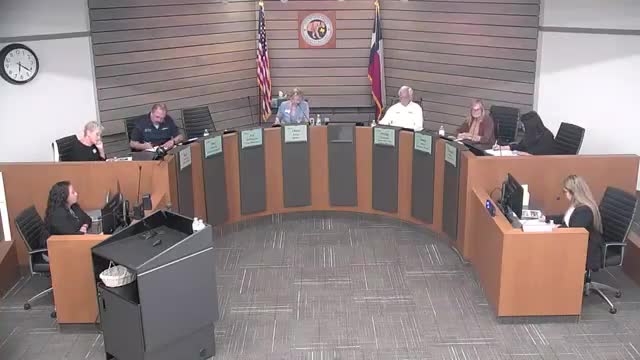
Summary
City leaders endorsed a 0.51504 property tax rate recommendation after staff presented a near-balanced fiscal 2026 budget with a roughly $47,000 shortfall; council discussed reserve levels, capital needs and possible cuts before the unanimous vote.
Leon Valley City Council on Tuesday recommended a property tax rate of 0.51504 for fiscal year 2026 after an extended council discussion of a budget staff members said leaves a roughly $47,000 shortfall.
City Manager Dr. Caldera brought the proposed budget to the council and said staff had cut about $383,000 from expenditures to narrow a larger gap. She told the council the closest policy option — the “no new revenue” rate — would still leave a deficit, and that raising the rate farther or cutting further were the remaining choices.
The recommendation matters because it affects homeowners and the city’s ability to fund public safety, infrastructure and capital needs. Staff reported the city’s general fund reserve at roughly $5.6 million and said that while some one‑time capital projects could be paid from reserves, larger ongoing needs (ambulance replacement, radios, major repairs) require stable revenue or financing.
Councilors and staff discussed options for closing the remaining gap. Dr. Caldera noted that increasing the tax rate to the no‑new‑revenue level (about 0.50) would raise an average homeowner’s bill by roughly $46 a year. Councilor Philip Campos calculated that the council’s selected rate would raise the typical homeowner’s tax by about $69.81 per year and argued the modest additional revenue would reduce the chance of repeated budget adjustments.
Councilor Mersch moved and Councilor Roscoe seconded a motion to recommend a 0.51504 tax rate for publication and public hearing; the motion carried unanimously.
Discussion points the council considered included: - The $47,000 estimated deficit in the proposed operating budget after staff reductions. - A general fund reserve of about $5.6 million and proposals to earmark portions for capital needs such as an ambulance, radio replacement and pool matching funds. - Cuts already made to departmental supplies and nonessential items; several department heads reported they had pared noncritical spending. - The fiscal effect on a typical taxable home (staff estimated the average taxable home at roughly $230,000 and quantified the per‑household change for a range of rates).
Next steps: council directed staff to post the required notices for the tax‑rate public hearing consistent with state law; the council will consider the tax rate for adoption at a later, noticed meeting. The recommendation itself begins the public‑notice process and is not the final tax adoption.
Ending: Council members agreed the budget presentation narrowed options and gave the public notice required to continue the formal adoption process; the council will take final action after the statutorily required public hearings.