
Salisbury council raises residential trash fee to $15 per container, effective Nov. 1, 2025
Get AI-powered insights, summaries, and transcripts
Subscribe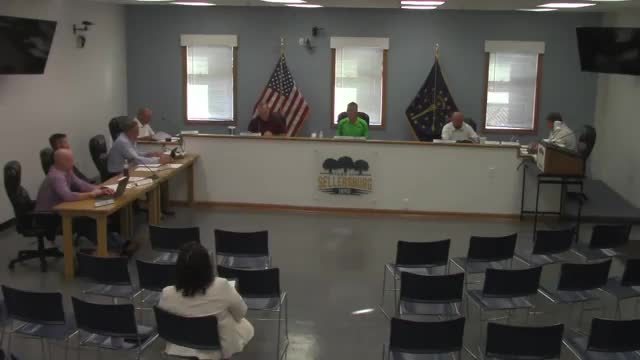
Summary
The council adopted ordinance 2025-OR-019 Aug. 25, increasing the town’s monthly sanitation charge from $10 to $15 per container (maximum two containers) and replacing the flat $75 purchase price with a charge equal to the town’s actual cost for containers including freight; the ordinance takes effect Nov. 1, 2025.
The Salisbury Town Council voted unanimously Aug. 25 to increase the monthly residential trash-service charge from $10 to $15 per container, with a maximum of two containers per household, and to replace the previous flat $75 container-purchase option with a charge equal to the town’s actual cost including freight. The council adopted ordinance 2025-OR-019 with an effective date beginning Nov. 1, 2025. Charlie, a town staff member, presented the draft ordinance and said the sanitation fund is running a projected shortfall for the calendar year and that current revenue at the $10 rate is not covering operating costs. Charlie said the town’s projected shortfall for the year is approximately $162,000. Council discussion considered timing and resident notice. One council member said a rate of about $14.17 would approach breakeven and that $15 would “securely get you into black.” Council members discussed notice options, including a separate mailing or inclusion on billing statements; staff recommended setting an effective date that would allow time for resident notification and billing adjustments. The ordinance preserves existing services covered by the fee, including regular trash collection, biweekly yard-waste pickup until fall (then weekly pickup through the season), large-item pickup (available only to sanitation customers), and seasonal spring/summer cleanup. The ordinance also states the town may sell up to two refuse containers to residents at the town’s actual cost (including freight). Council member Terry moved to adopt the ordinance with the November 2025 effective date; Council member Randy seconded. The council voted in favor and adopted ordinance 2025-OR-019. Staff briefing included additional context: the town added three sanitation employees this year, the current packer lease ends in June next year and staff expect to re-evaluate leases at that time, and the town projects higher landfill costs that could affect future budgets. Staff said the adopted $15 rate would not fully eliminate the current-year shortfall immediately but moves the fund toward sustainable operations.