
Westfield council tables new downtown parking ordinance after hours-long debate over fees and enforcement
Get AI-powered insights, summaries, and transcripts
Sign Up Free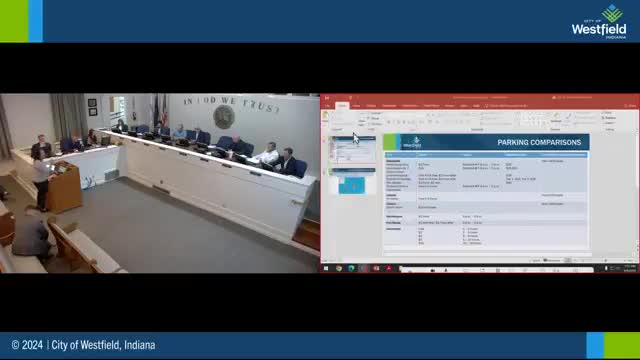
Summary
The Westfield Common Council voted 6–1 on Sept. 8 to table a proposed parking ordinance that would set on-street and garage rates, time limits and enforcement procedures for downtown Westfield, including the soon-to-open Union Square parking garage.
The Westfield Common Council voted 6–1 on Sept. 8 to table a proposed parking ordinance that would set on-street and garage rates, time limits and enforcement procedures for downtown Westfield, including the soon-to-open Union Square parking garage.
Councilors delayed final approval after multiple members and staff said the ordinance’s penalty schedule, appeal process and operational details were inconsistent or unclear. Danielle Carey Tolan, who presented the ordinance text and the parking study that underpins it, said the proposal follows a needs assessment by consultant Denison Parking and aims to “control the parking and making sure that people move about our city more rapidly.”
Why it matters: The ordinance includes the city’s first formal downtown parking rules tied to the new Union Square garage. Councilors and the mayor said the rules are intended to preserve scarce downtown spaces for customers and short-term visitors and to seed a maintenance fund for concrete garages the city will own in the future.
What the council debated - Time limits and rates. The draft set a 2‑hour free on‑street window, with paid time thereafter, and a 3‑hour free period in the new Union Square parking garage before fees apply. Multiple councilors said 3 hours in the garage may be too short for a dinner-and-shopping visit and urged consideration of 4 hours. Supporters of the 3‑hour garage limit said it promotes turnover and encourages people to park slightly farther away or use surface lots and thereby reserve prime frontline spaces for short visits.
- Enforcement and technology. The ordinance relies on in‑app payment systems (ParkMobile and Honk) and license‑plate cameras in garages. Chris Larson, the city’s director of informatics, described camera systems at garage entrances that “time stamp when a license plate enters and exits and how long it’s been there.” For on‑street spaces without cameras, councilors discussed using Denison’s license‑plate monitoring and mobile enforcement staff.
- Fines, appeals and clarity. Several councilors noted apparent contradictions between fee amounts in different parts of the draft (examples cited included $10, $20, $25 and $35 figures) and unclear language about how appeals are handled and where appeals are decided. Councilor Joe Depner noted the draft’s appeal language and said it should provide a neutral appellate process rather than only internal administrative review. Mayor Scott Willis and others said they would prefer a system that channels parking fee revenue into a dedicated fund for long‑term garage maintenance rather than leaving the cost solely to general taxpayers.
Council action and next steps - Motion to table: A motion to postpone passage until the ordinance language is clarified passed 6–1. The council asked staff to circulate corrections and to convene a special meeting if necessary so the garage opening is not delayed. Several councilors asked for monthly analytics from Denison so the city can monitor usage, revise time limits and adjust fees after the garage opens.
- Enforcement pledge during rollout: Council members said the city will emphasize an educational rollout for the first month the garage is open; staff and the contractor will provide warnings and user guidance before widespread ticketing begins.
Quotes - Danielle Carey Tolan, city staff and presenter: “This will help control the parking and making sure that people move about our city more rapidly.” - Chris Larson, director of informatics: “There are a series of cameras that are being used by this parking system… it can time stamp when a license plate enters and exits and how long it’s been there.” - Mayor Scott A. Willis: “Every dollar collected in parking fees goes into a fund to start to see that. We are gonna conduct an engineering study of our parking garages as they come online to determine what is the long term maintenance cost… and how should we be saving taxpayer dollars.”
What’s next: The council directed staff to correct inconsistencies in the ordinance language, clarify the fine schedule and appeal process, and return the item for reconsideration at the next regular meeting or a special meeting sooner if the revised text is available. Staff and the consultant will provide analytics to the council during the ordinance’s initial implementation period.