Get Full Government Meeting Transcripts, Videos, & Alerts Forever!
Get email alerts on the Student Engagement topic
No spam. Unsubscribe anytime.
Student leaders present district survey under new student‑engagement policy; meals, support and maintenance highlighted
Summary
Student council members presented results from a district student‑engagement survey conducted under Board Policy 356, identifying school meals, feeling supported (linked to vaping/drug use) and cleanliness/maintenance as top priorities and proposing QR feedback, staffing and maintenance reporting systems.
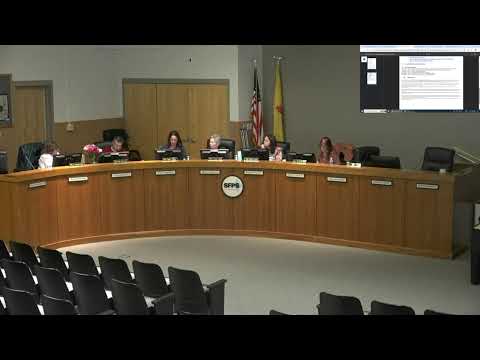
Student leaders presented to the Santa Fe Public Schools board Tuesday the first districtwide results and proposed actions under Board Policy 356 (student engagement), which the board adopted in April 2023.
Jose Villarreal, the district’s work‑based learning coordinator, told trustees the initiative was student‑led from the start and that student council members reached more than 1,200 students across the district to gather input. "This initiative has been student led from day one," Villarreal said, and students used work‑readiness training to facilitate the engagement work.
Student presenters summarized three priorities developed from the survey and follow‑up school conversations: quality of school meals, students’ sense of being supported at school (including concerns about drug use and vaping), and cleanliness and maintenance of facilities. Students reported long lunch lines, limited meal variety and spoiled milk at some sites; they proposed adding staffing so rotational serving stations could open and embedding QR codes so students can give quick feedback on meals.
On feeling supported, student leaders recommended improved access to mental‑health supports, strengthened student–coach and student–staff relationships, and clearer reporting pathways for bullying and safety concerns. Presenters tied lack of support to increased risk of vaping and drug use and suggested measuring success by tracking participation in extracurriculars and running follow‑up surveys after implementation of changes.
On cleanliness and maintenance, students reported problems with trash, inadequately stocked bathrooms (paper towels and menstrual products), broken fixtures and vandalism. Proposed solutions included reusable trays and utensils to reduce litter, student-accessible maintenance ticketing, and awareness and restorative practices to curb vandalism.
Board members and Superintendent Veronica Garcia praised the students’ work and asked staff to share the full survey results with the incoming superintendent. Vice President Kate Noble, who co‑chaired the reimagining process that produced Policy 356, thanked the students and called the presentation “a great baseline” for future work.
No formal board action was required; the presentation was entered into the record and staff were asked to share the survey data and next steps with the superintendent’s office.