
Commission prioritizes green‑building incentives, net‑zero public housing and benchmarking
Get AI-powered insights, summaries, and transcripts
Subscribe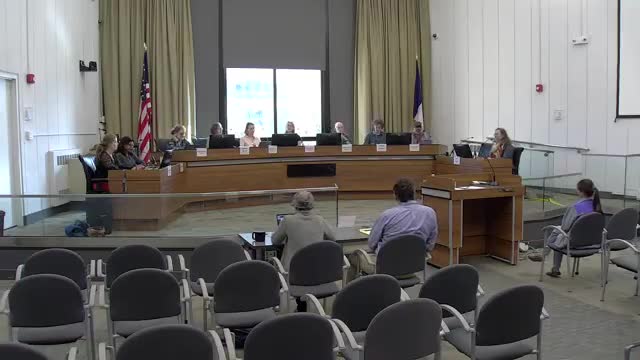
Summary
Members refined building-related priorities for the comprehensive plan, endorsing incentives for industrial and commercial energy efficiency, continued collaboration with realtors on energy disclosure, and pursuing energy improvements in public housing.
Iowa City’s Climate Action Commission reviewed building- and housing‑related priorities for the city’s comprehensive plan on Sept. 17, recommending a mix of incentives, partnerships and targeted pilot projects. Staff and commissioners discussed updating action wording, combining education and incentive programs, and practical limits on achieving full net‑zero public housing.
Sarah Gardner (city staff) walked commissioners through the prioritization results. The items receiving the highest priority included partnering with stakeholders to promote green building construction and rehabilitation, a proposed TIF‑funded climate action incentive program aimed at reducing industrial and commercial energy use and increasing municipal building electrification, and continued support for free home energy assessments and public housing improvements.
Commissioners debated the feasibility and intent behind a “net‑zero public housing” goal. Many members supported increased energy efficiency in the city’s public housing portfolio but acknowledged practical and financial barriers to achieving net zero across the entire stock. One commissioner suggested rewording the objective to emphasize moving toward more energy‑efficient public housing and pursuing demonstration or pilot projects with partners such as Habitat for Humanity; staff said the city is exploring realignment options and could invite the housing authority director to brief the commission on ownership and management changes.
The commission also supported revised wording proposals on three other items: continuing collaboration with local realtors to promote home energy performance through MLS listings and ratings; incorporating energy benchmarking into financial incentive agreements (for example, TIF or climate grants) rather than pursuing an immediate broad benchmarking mandate; and continuing periodic reviews of zoning codes for solar readiness and friendliness. Sarah Gardner said some of the items already achieved progress — for example, the city has made zoning updates that allow solar in more places — and suggested framing others as ongoing review work.
On process, commissioners favored keeping education and incentive items distinct to reflect different policy tools, though some members argued for consolidation under a single umbrella if that aided reporting and outreach. Staff committed to producing a revised action list with updated wording and to circulate it before the next meeting so commissioners can finalize scoring.
No formal votes were taken on policy changes at the meeting. The commission’s direction to staff was procedural: refine wording, identify partners for pilot projects and return with implementation options and cost considerations.