
Two Garfield County animal shelters describe rising intake, veterinary costs and plans to diversify revenue
Get AI-powered insights, summaries, and transcripts
Subscribe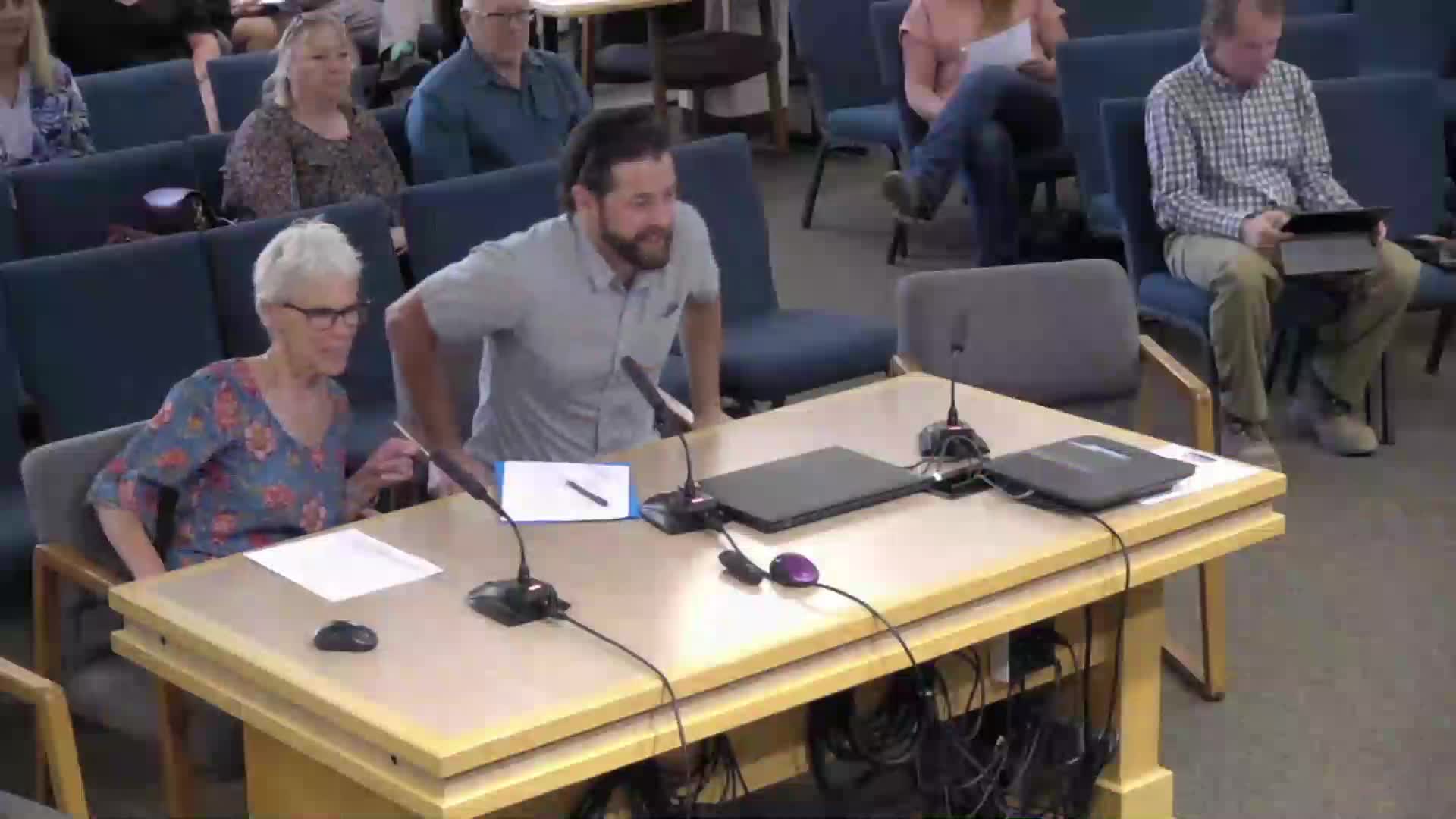
Summary
Two Garfield County animal shelters told county commissioners on Aug. 19 they are seeing higher intake and rising veterinary and behavioral needs and are pursuing new revenue streams while requesting continued county baseline funding.
Colorado BRIDAL Rescue (CARE) and Journey Home Animal Care Center presented to Garfield County commissioners on Aug. 19 about shelter operations, rising medical and behavior caseloads and plans to diversify income.
Wes Boyd, director of Colorado BRIDAL Rescue (CARE), described core services including stray intake, owner surrenders and disaster boarding and noted the shelter has a long-term facility that requires continual maintenance after 25 years in operation. Boyd said the county's funding is a baseline for essential services and outlined revenue-generating ideas the board is pursuing, including low-cost veterinary services, grooming and behavior programs to increase earned revenue. "We think of funding from the county as a baseline for essential services, making sure that stray animals, owner surrendered pets, emergency quarantines, and disaster preparedness are all lined up and in place," Boyd said.
Faith Lipori, CARE board chair, told commissioners the board is actively seeking new revenue streams and municipal partnerships. Boyd said CARE has certified kennel space for about 40 dogs and 50 cats, provides medical and behavioral assessments, and had recently received an emergency evacuation trailer to assist with wildfire response.
Heather, representing Journey Home Animal Care Center, reported the shelter is seeing higher TNR (trap-neuter-return) activity and kitten intake, and that vaccine and spay/neuter clinic demand is higher than capacity. "Year to date we have spayed and neutered 588 animals and vaccinated 860 animals," she said, adding community vaccine clinics are frequently booked several weeks in advance. Journey Home said it is piloting low-cost vaccine appointments one day a week as a revenue and service model.
Both shelters said they have seen increased stray intake this year and noted the absence of a dedicated countywide animal-control patrol after the sheriff's department reduced animal-control activities, which shifts intake and public inquiries to shelters. Commissioners thanked both organizations and acknowledged the additional pressure on shelter capacity after sheriff-level changes to animal-control patrols.
Both shelters described outreach and community programs such as pet food pantries (CARE reported distributing 6,600 pounds of dry food and 1,300 cans year to date), spay/neuter voucher programs, free microchips for strays, and collaboration with CMC vet tech students. Both asked the county to continue core funding while they pursue additional grants and earned-income programs.